

Welcome to the HomeStretch Journal.
Stories and Strategies for Aging Well
Why Can’t My Parent Sleep? A Guide to Deep Sleep in Older Adults
If your parent is waking frequently, sleeping lightly or feeling tired during the day, you may wonder whether something is wrong. Here’s what families should know about sleep changes with age and how healthy movement may support better sleep.
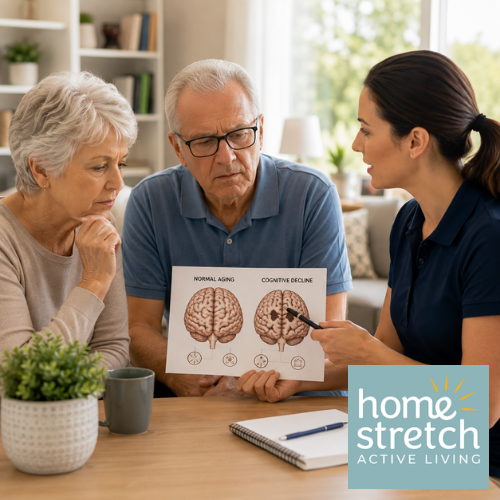
Cognitive Decline vs. Normal Aging: What Should Actually Worry You?
Forgetting a name or misplacing your keys does not automatically mean something is wrong. Learn which cognitive changes can happen with normal aging and which changes may warrant a conversation with a healthcare professional.
Does Exercise Really Reduce Falls? What the Research Actually Shows
Research shows exercise can reduce falls in older adults, but the type of exercise matters. Here’s what studies say about balance, strength, and fall prevention.
Caregiver Burnout: When It’s Time to Ask for Respite Help
Caregiving can be meaningful, but constantly putting someone else’s needs first can take a toll. Learn the signs of caregiver burnout, what respite care means, and when asking for help may be the healthiest next step for you and the person you support.
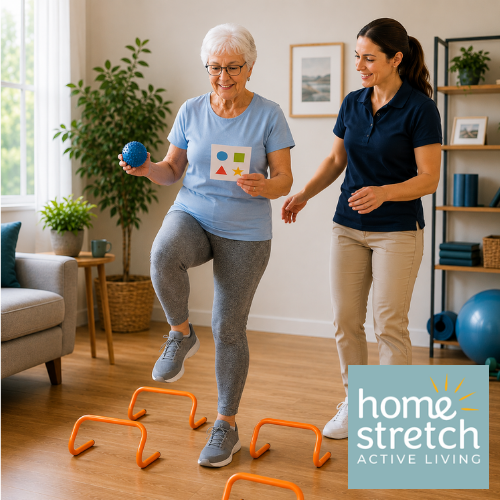
Dual-Task Exercises: Training Your Brain and Balance at the Same Time
Balance isn't just about strong muscles—it also depends on how well your brain processes information while you move. Discover how dual-task exercises help older adults improve stability, sharpen thinking, and build confidence through evidence-informed brain and balance training.
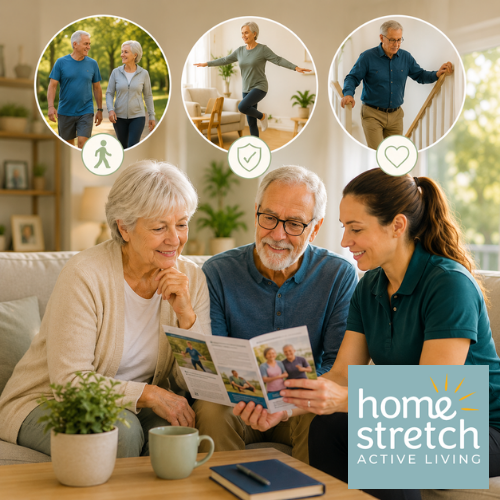
Kinesiologist vs. Personal Trainer: What's Actually Different?
Not sure whether you need a kinesiologist or a personal trainer? Learn the key differences, who each professional helps, and how to choose the right support for healthy aging and long-term independence.
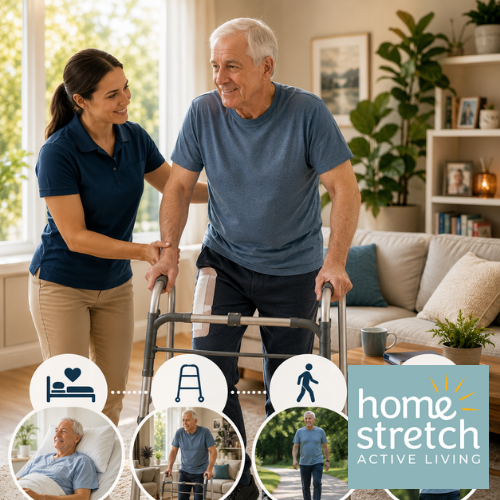
Hip Replacement Recovery Timeline: What Happens After Physical Therapy?
Many older adults are surprised to learn that recovery doesn't end when physical therapy does. While formal rehabilitation may conclude after a few weeks, rebuilding strength, balance, and confidence often continues for months. Learn why the "post-physical therapy gap" matters after hip replacement surgery and how ongoing, personalized exercise support can help seniors stay active, independent, and moving with confidence.
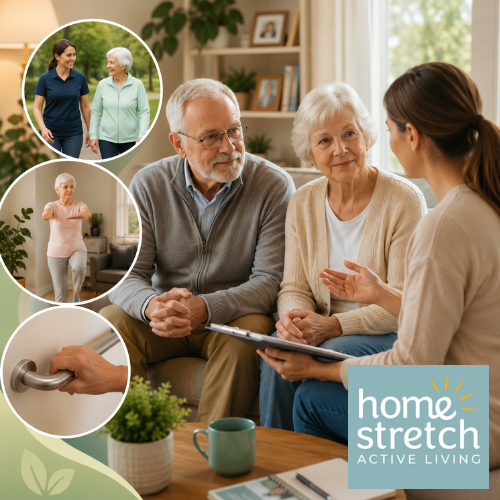
How to Talk to Your Parents About In-Home Support
Starting the conversation about in-home support with an aging parent can be emotional, but it doesn't have to lead to conflict. Discover practical, compassionate strategies to discuss support, preserve independence, and help your loved one stay active, confident, and safe at home through personalized, evidence-informed exercise.
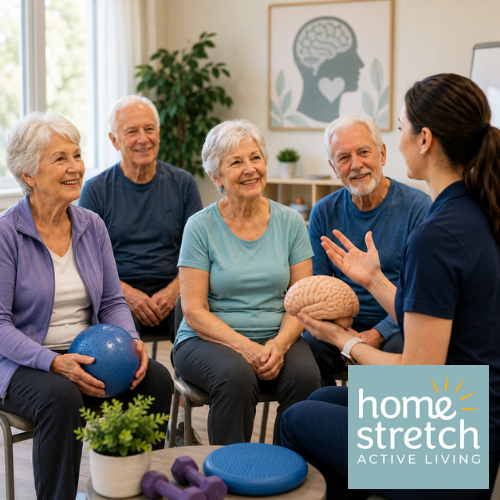
What Happens in a Brain & Balance Workshop? A First-Timer's Guide
Curious about what happens in a Brain & Balance Workshop? This first-timer's guide explains how seniors improve balance, strengthen cognitive skills, reduce fall risk, and stay independent through engaging group activities.

Aging Alone in a Connected World: Why Human Connection Matters More Than Ever
Loneliness is becoming one of the most significant health challenges facing older adults today. Even when surrounded by family, friends, or community members, many seniors still experience feelings of isolation and disconnection. Learn how social connection supports healthy aging, why loneliness impacts both physical and mental health, and practical steps older adults and families can take to build stronger relationships, maintain independence, and improve overall well-being.