Kinesiologist vs. Personal Trainer: What's Actually Different?
July 16, 2026

On this page
⚡ Quick Answer
- A kinesiologist is university-trained in movement, biomechanics, and aging; a personal trainer is certification-trained in general fitness coaching.
- Personal trainers suit healthy adults chasing strength, weight-loss, or performance goals.
- Kinesiologists suit older adults focused on balance, mobility, and staying independent at home.
- Neither professional is "better", the right choice depends on your goals, which is why HomeStretch uses registered kinesiologists.
If your goal is general fitness, weight loss, or athletic performance, a personal trainer may be the right choice.
If you're recovering from surgery, managing chronic health conditions, improving balance, or looking for safe, evidence-informed exercise as you age, a registered kinesiologist provides specialized expertise in human movement and functional health.
Both professionals help people become more active but they do so with different education, training, and areas of focus.
Kinesiologist vs. Personal Trainer Comparison
| Feature | Kinesiologist | Personal Trainer |
|---|---|---|
| Primary Focus | Human movement, mobility, function, healthy aging | General fitness and exercise |
| Education | University degree in Kinesiology | Certification programs vary |
| Works With | Older adults, chronic conditions, post-surgery exercise, balance and mobility | Healthy adults seeking fitness improvements |
| Exercise Programs | Evidence-informed and individualized | Fitness-oriented training plans |
| Goal | Improve strength, mobility, confidence, and independence | Improve fitness, strength, endurance, or physique |
| Home Visits | Yes (depending on provider) | Some trainers offer home visits |
| Fall Prevention Focus | Often incorporated into programs | May not specialize in fall prevention |
| Older Adult Expertise | Specialized knowledge in aging and movement | Depends on the individual trainer's experience |
Why People Often Confuse the Two
At first glance, a kinesiologist and a personal trainer may seem to do the same thing. Both create exercise programs, coach movement, and encourage healthier lifestyles.
That's why many people searching online ask:
"Do I need a kinesiologist or a trainer?"
"What's the difference?"
"Which one is better for seniors?"
"Can a personal trainer help after surgery?"
The answer depends entirely on your goals and current health needs. For someone preparing for a marathon, a personal trainer might be an excellent fit.
For someone who wants to feel steadier walking the stairs, regain confidence after a hip replacement, or maintain independence while aging, working with a registered kinesiologist may provide a more appropriate level of movement expertise.
The key isn't deciding which profession is "better" It's understanding which professional is best suited to your individual circumstances.
What Is a Kinesiologist?
A kinesiologist is a university-trained movement professional who studies how the body moves and how exercise supports overall health, mobility, and daily function.
Rather than focusing only on workouts, kinesiologists look at how movement affects everyday life.
This includes helping people:
Improve balance
Increase mobility
Build functional strength
Move more confidently
Support active aging
Develop safe exercise routines
Maintain independence at home
Because they understand biomechanics, anatomy, aging, and exercise science, kinesiologists are able to adapt movement programs for individuals with varying abilities and health considerations.
At HomeStretch Active Living, this means meeting clients where they are, literally and physically.
Instead of expecting older adults to travel to a gym, HomeStretch brings individualized, evidence-informed exercise directly into the home, making it easier to build consistency and confidence in familiar surroundings. This approach reflects the organization's mission of helping older adults bridge the gap between clinical care and long-term independence through personalized movement support.
What Does a Kinesiologist Actually Do?
Many people are surprised to learn that a kinesiologist's work extends far beyond simply leading exercise sessions.
A typical session may include:
Assessing mobility and movement patterns
Identifying areas where strength or balance can be improved
Designing individualized exercise programs
Teaching proper movement techniques
Progressing exercises safely over time
Encouraging confidence through gradual improvement
Supporting long-term healthy aging
For older adults, this often means focusing on activities that make everyday life easier rather than pursuing athletic performance.
Exercises may be designed to help someone:
Get out of a chair more comfortably
Walk with greater confidence
Climb stairs more easily
Carry groceries safely
Improve stability while moving around the home
Stay active doing the activities they enjoy
These functional goals align closely with HomeStretch's philosophy of helping older adults stay strong, steady, and independent through exercise-focused support rather than medical treatment. You can also read Kinesiology for Seniors: In-Home Personal Training, Rehabilitation & Fall Prevention in Toronto.
Why Older Adults Often Choose a Kinesiologist
As we age, our fitness goals often change.
Instead of asking:
"How much weight can I lift?"
People begin asking:
How can I stay independent?
How do I improve my balance?
How can I keep gardening?
How do I stay active after surgery?
How do I continue living safely at home?
These questions are less about fitness performance and more about maintaining quality of life. That's why many older adults and their families seek guidance from professionals who understand the relationship between movement, aging, and everyday function.
Rather than chasing short-term fitness goals, the emphasis becomes building strength that supports daily activities, confidence, and continued independence.
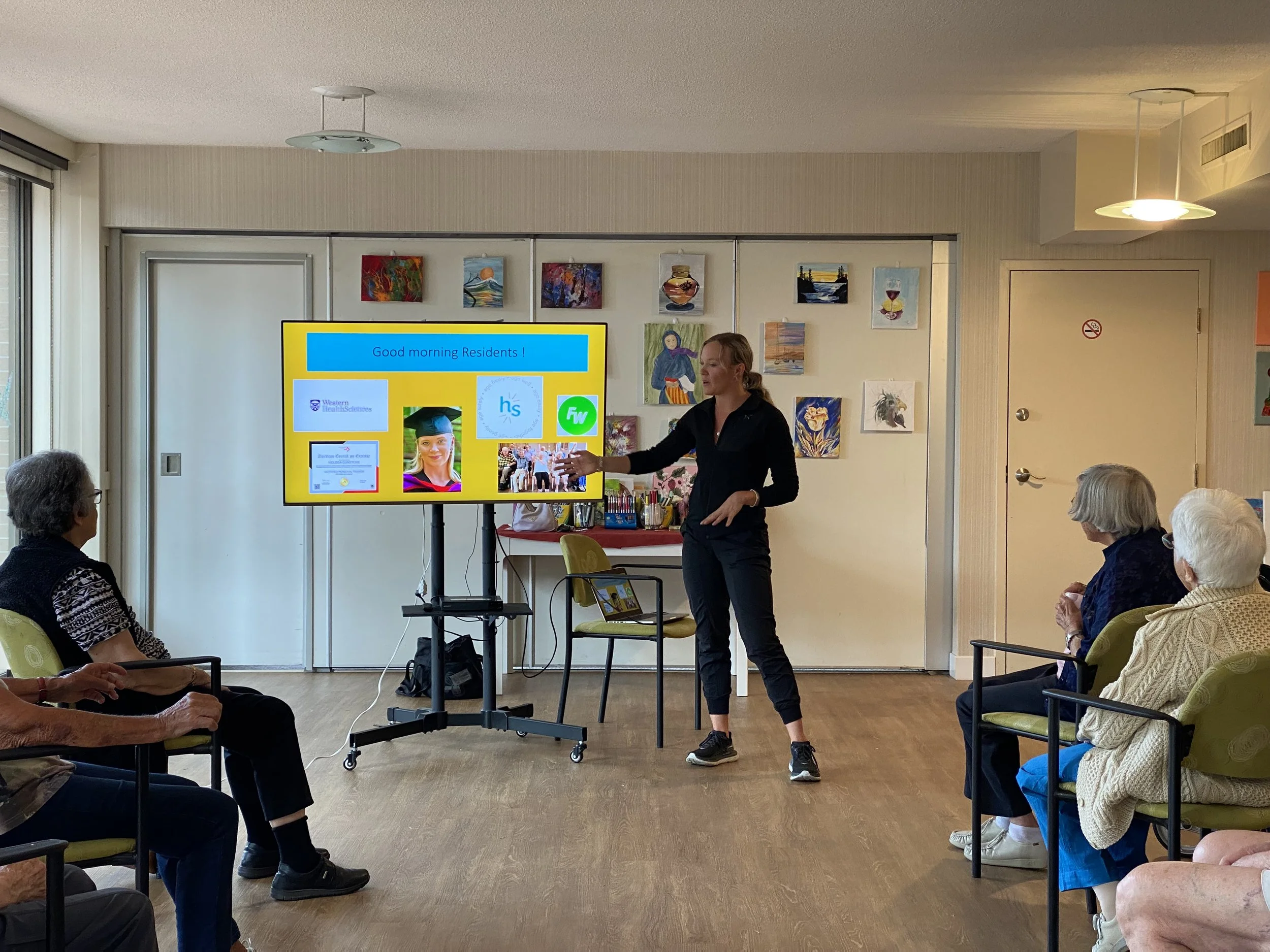
What Is a Personal Trainer?
A personal trainer is a fitness professional who helps people improve their physical fitness through structured exercise programs. Their primary focus is helping clients reach goals such as increasing strength, improving cardiovascular fitness, losing weight, building muscle, or enhancing athletic performance.
Many personal trainers work in gyms, fitness studios, or provide private sessions in clients' homes.
Like kinesiologists, personal trainers encourage healthy lifestyles and help clients stay active. However, their education and scope of practice can vary depending on the certifications they have completed.
For many healthy adults looking to improve general fitness, a personal trainer can be an excellent choice.
What Does a Personal Trainer Do?
Personal trainers typically help clients:
Build strength
Improve endurance
Lose weight
Increase flexibility
Improve overall fitness
Learn proper exercise techniques
Stay motivated through accountability
Develop workout routines
Depending on their experience, some personal trainers also specialize in areas such as sports performance, bodybuilding, group fitness, or senior fitness. A great personal trainer can make exercise enjoyable, challenging, and sustainable.
The Biggest Differences Explained
Although both professions use exercise as their primary tool, they approach movement from different perspectives. Let's compare them in more detail.
1. Education and Training
One of the biggest differences is educational background.
Kinesiologist
A registered kinesiologist typically completes a university degree focused on:
Human anatomy
Physiology
Biomechanics
Exercise physiology
Motor learning
Functional movement
Aging and mobility
Health promotion
This education provides a deeper understanding of how movement supports overall health and daily function across different populations.
Personal Trainer
Personal trainers generally complete certification programs that teach:
Exercise programming
Strength training
Fitness coaching
Client motivation
Nutrition fundamentals
Safe exercise instruction
Certification requirements vary by organization, and educational pathways can differ significantly. Both professions are committed to helping people become more active, but the depth and focus of their formal education are different.
2. Exercise Philosophy
Another important difference is the purpose behind the exercise program.
A Personal Trainer May Focus On:
Fitness improvements
Muscle strength
Weight management
Athletic performance
Physical conditioning
A Kinesiologist Often Focuses On:
Functional movement
Everyday mobility
Balance
Confidence during daily activities
Healthy aging
Long-term independence
For older adults, the goal often isn't lifting heavier weights, it's maintaining the ability to safely perform everyday activities such as walking, climbing stairs, getting out of bed, or carrying groceries.
3. Client Population
Personal trainers often work with:
Healthy adults
Gym members
Athletes
Beginners starting a fitness journey
Individuals pursuing weight-loss or strength goals
Kinesiologists frequently support people who may be:
Older adults
Recovering after surgery
Looking to improve balance
Managing changes in mobility
Wanting to stay active as they age
Seeking individualized exercise that fits their current abilities
This difference allows exercise programs to be tailored to the person's stage of life and functional goals.
4. Program Design
A personal trainer often asks:
"How can we improve your fitness?"
A kinesiologist may ask:
"How can we help you move better during everyday life?"
While those questions sound similar, they lead to different exercise priorities.
For example, an older adult who struggles getting out of a chair may spend time strengthening leg muscles, improving balance, and practicing sit-to-stand movements because these exercises directly support daily independence. Someone training for a recreational race, on the other hand, may focus more on cardiovascular conditioning and performance-based workouts. You can check Chair Exercises for Seniors: Safe Fitness Moves and Fall-Prevention Tips
Which Professional Should You Choose?
The right choice depends on your goals, not on which profession is "better."
A Personal Trainer May Be Right If You Want To:
Improve general fitness
Build muscle
Lose weight
Train for a sporting event
Learn proper gym techniques
Stay accountable to a workout routine
A Kinesiologist May Be Right If You Want To:
Improve balance and stability
Build strength for everyday activities
Stay active as you age
Increase confidence moving around your home
Support recovery after completing physiotherapy
Develop an exercise plan tailored to your current mobility and functional goals
Real-Life Examples
Understanding the difference becomes easier when you look at real-life situations.
Example 1: Returning to Exercise
Maria, age 72, wants to feel stronger so she can continue gardening and walking with friends.
Her priorities include:
Improving leg strength
Feeling steadier on uneven ground
Maintaining independence
A registered kinesiologist can design an individualized exercise program focused on these functional goals while progressing exercises safely over time.
Example 2: Improving Overall Fitness
James, age 40, wants to improve his strength, increase muscle mass, and prepare for a charity obstacle race.
His goals revolve around fitness performance, making a personal trainer a great fit for structured strength training and conditioning.
Example 3: Building Confidence After Surgery
Linda, age 78 has completed physiotherapy following hip replacement surgery.
Her therapist has discharged her, but she still feels uncertain walking outside alone and wants continued guidance as she rebuilds strength.
A registered kinesiologist can help bridge the gap between formal rehabilitation and long-term exercise by creating a personalized program that supports confidence, mobility, and independence through ongoing movement coaching. This reflects HomeStretch's mission of providing continued exercise support after clinical care ends.
Why HomeStretch Uses Registered Kinesiologists
At HomeStretch Active Living, every in-home exercise program is built around one goal:
Helping older adults stay strong, steady, and independent.
Rather than offering one-size-fits-all workouts, HomeStretch's registered kinesiologists develop personalized exercise plans based on each client's abilities, goals, and everyday activities.
Sessions are designed to support:
Strength for daily living
Better balance
Improved mobility
Greater confidence
Active aging
Long-term independence
Because programs take place in the client's own home, exercises can also be tailored to real-life environments, such as navigating stairs, standing from a favourite chair, or moving safely through commonly used spaces.
This personalized, evidence-informed approach aligns with HomeStretch's commitment to empowering older adults through exercise while avoiding unnecessary barriers to staying active.
Common Misconception: Is One Better Than the Other?
Not necessarily.
Both personal trainers and kinesiologists play valuable roles in helping people live healthier, more active lives.
The key difference lies in matching the professional to your needs.
If your goal is improving athletic performance or general fitness, a personal trainer may be the ideal choice.
If your goal is maintaining independence, improving functional movement, or receiving individualized exercise support as you age, a registered kinesiologist may be the more appropriate option.
The most important factor is finding a qualified professional who understands your goals and can help you move safely and confidently.
Ready to Stay Strong, Steady, and Independent?
Whether you're beginning your fitness journey, looking to maintain your independence, or searching for continued exercise support after physiotherapy, HomeStretch Active Living is here to help.
Our registered kinesiologists create personalized in-home exercise programs that meet you where you are and help you build confidence through safe, progressive movement.
Book a free consultation today to learn how our in-home personal training services can support your strength, mobility, and active aging goals.
Frequently Asked Questions
-
The biggest difference is their area of expertise.
A registered kinesiologist specializes in human movement, functional health, mobility, and exercise programming across different life stages and abilities. Their university education focuses on anatomy, biomechanics, physiology, and evidence-informed exercise.
A personal trainer primarily focuses on helping clients improve general fitness through strength training, cardiovascular exercise, and workout coaching.
Both encourage active lifestyles, but the most appropriate choice depends on your goals.
-
Neither profession is universally "better"—they simply serve different purposes.
Many older adults choose a registered kinesiologist because their expertise in movement, mobility, balance, and functional exercise aligns well with goals such as:
Staying independent
Improving confidence while walking
Supporting active aging
Building strength for everyday activities
Continuing exercise after physiotherapy
The right choice depends on your individual needs, health history, and exercise goals.
-
Yes.
Many people complete physiotherapy successfully but still want guidance as they transition back to everyday activities.
A registered kinesiologist can continue building on that progress with individualized exercise that supports long-term strength, mobility, and confidence.
At HomeStretch, this transition is an important part of helping older adults remain active and independent after formal rehabilitation has ended.
-
In many cases, no referral is required.
You can contact an in-home kinesiology provider directly to discuss your goals and determine whether personalized exercise support is right for you.
If you're unsure, speaking with your healthcare provider can also help you decide which type of exercise professional best matches your needs.
-
HomeStretch provides in-home kinesiology services delivered by registered kinesiologists.
Programs are personalized for older adults and focus on:
Functional strength
Balance
Mobility
Confidence
Active aging
Supporting independence at home
Each program is tailored to the individual rather than following a one-size-fits-all fitness routine, reflecting HomeStretch's evidence-informed, exercise-focused approach.
Related Posts
Kinesiology for Seniors: In-Home Personal Training, Rehabilitation & Fall Prevention in Toronto
What You Really Get with an In-Home Personal Trainer for Seniors
Why In-Home Personal Training Is the Safest and Most Effective Fitness Option for Seniors
Author Bio - Melissa Gunstone, BSc, Kinesiologist
Melissa Gunstone is the founder of HomeStretch, a kinesiologist with years of experience supporting seniors across Canada. Her mission: to give older adults safe, effective, and individualized movement programs, from in-home training to community-based senior fitness classes and to build a nationwide movement that elevates the role of kinesiology in healthy aging.