Aging Alone in a Connected World: Why Human Connection Matters More Than Ever
June 16, 2026
On this page
⚡ Quick Answer
- Chronic loneliness carries health risks equivalent to smoking 15 cigarettes a day.
- Social isolation and loneliness are not the same — you can feel lonely in a crowd.
- Warning signs include withdrawal from hobbies, reduced communication, and less motivation.
- Exercise adds routine, confidence, and social interaction that directly reduce loneliness.
Why Are So Many Older Adults Feeling Lonely Today?
June is Seniors Awareness Month, and one topic continues to surface in conversations with older adults, caregivers, healthcare professionals, and community organizations across Canada:
Loneliness.
Not because people lack family.
Not because they have no neighbours.
Not because they don't have people around them.
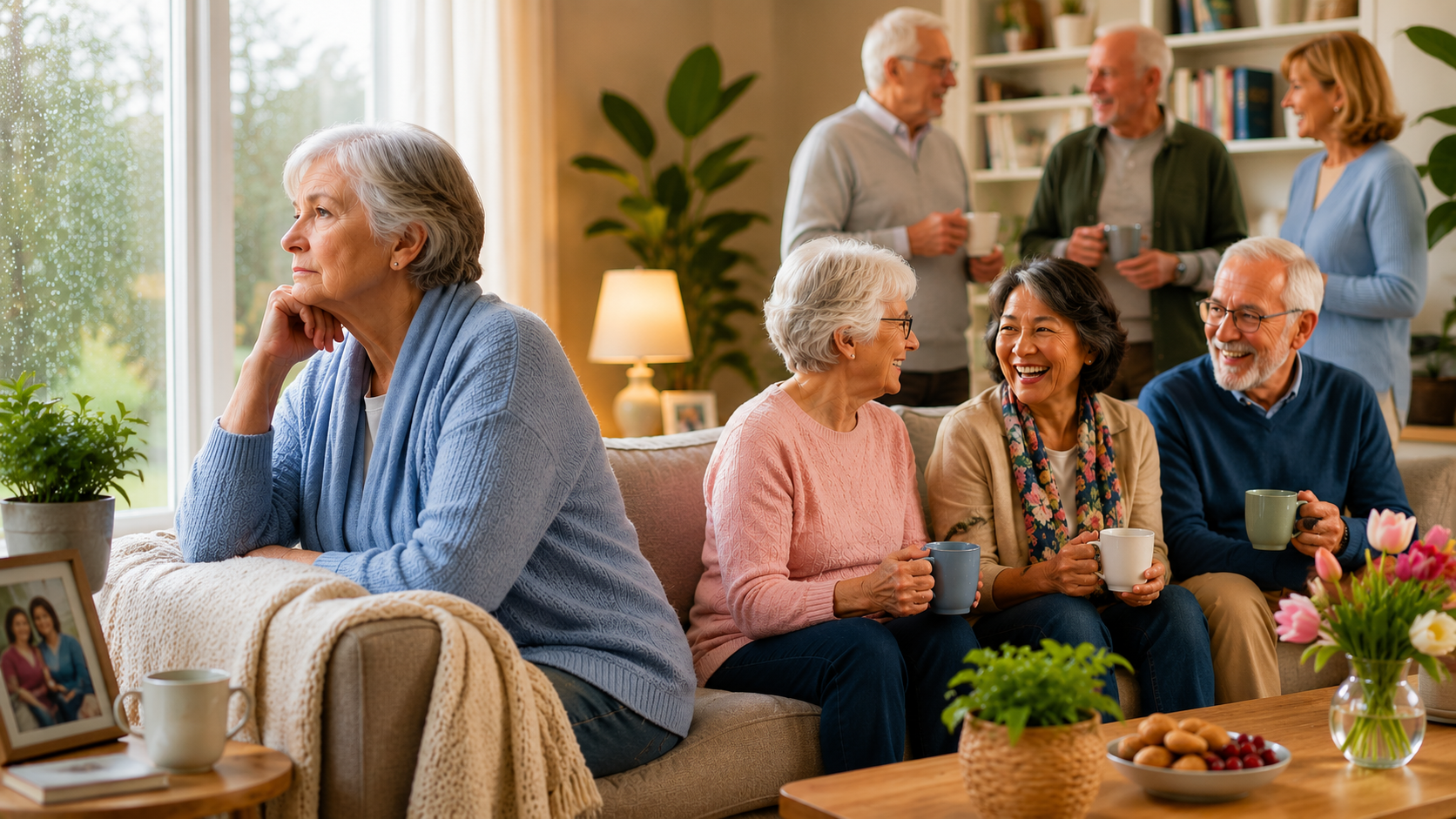
Many older adults feel lonely because they no longer feel truly connected.
Recently, HomeStretch Active Living Founder Melissa Gunstone sat down with Rustam Sengupta, Founder of Tuktu, a Canadian company focused on helping older adults access companionship, transportation, and support within their communities. During our conversation, we explored a topic that affects millions of Canadians but still doesn't receive the attention it deserves, and one of the fastest-growing public health concerns facing seniors today: social isolation.
During the conversation, Rustam shared a powerful observation:
"Loneliness has nothing to do with how many people are around you."
That statement reflects what we see every day inside our clients' homes.
Someone may live with family.
Someone may attend community programs.
Someone may reside in a retirement community.
Yet they can still feel profoundly alone.
As Canada's population ages, understanding the impact of loneliness has become just as important as preventing falls, maintaining mobility, and managing chronic health conditions.
Because healthy aging is about much more than physical health.
It's about belonging.
Watch the full conversation below:
What Is Social Isolation?
Social isolation occurs when a person has limited meaningful interaction with others, leading to feelings of disconnection, loneliness, or exclusion from their community.
While loneliness and social isolation are often used interchangeably, they are not exactly the same.
| Social Isolation | Loneliness |
|---|---|
| Objective lack of social contact | Emotional feeling of disconnection |
| May live alone or have few interactions | Can occur even when surrounded by people |
| Measured by social engagement | Measured by personal feelings |
An individual can experience one without the other.
This is why loneliness is often called the "hidden health challenge" of aging.
Canada's Is Aging Faster Than Ever
Canada is experiencing one of the largest demographic shifts in its history.
Today, there are more Canadians over age 65 than children under age 15.
At the same time, many of the traditional support systems older adults once relied upon have changed dramatically.
Adult children often move away for employment opportunities.
Neighbourhoods have become less connected.
Retirement frequently results in the loss of daily routines, workplace relationships, and regular social interactions.
The village that once supported older adults has become harder to find.
As Rustam explained during our discussion, services like Tuktu have emerged because many of those informal supports, rides to appointments, help with errands, or a neighbour checking in, have gradually disappeared.
For many seniors, maintaining connection now requires more intentional effort than ever before.
The Hidden Signs of Loneliness in Older Adults
When most people think about loneliness, they picture someone sitting alone in a room.
The reality is often much more subtle.
One of the signs Rustam frequently notices is when someone begins responding to every question with a single word.
"How are you?"
"Fine."
"What did you do today?"
"Nothing."
These short answers may seem insignificant, but they can indicate withdrawal from communication and social engagement.
At HomeStretch, we often observe similar changes:
Someone who once loved sharing stories becomes quieter.
A client who regularly walked outdoors stops leaving home.
Hobbies and favourite activities are abandoned.
Motivation gradually decreases.
Confidence begins to fade.
Loneliness rarely appears overnight.
Instead, it slowly pulls people away from the activities and relationships that once brought joy and purpose.
The Pizza Story That Explains Everything
One story Rustam shared perfectly illustrates how powerful human connection can be.
A Tuktu companion was helping an older adult with housekeeping when she noticed numerous pizza boxes throughout the home.
Curious, she asked why so much pizza was being ordered.
The woman explained that she only ate a single slice each time.
So why keep ordering?
Because the delivery driver was kind.
Every delivery included a few minutes of conversation.
A smile.
A friendly check-in.
A moment of connection.
She wasn't ordering pizza.
She was ordering companionship.
That story highlights a simple truth:
Human beings are wired for connection.
When connection disappears, health often begins to suffer.
How Loneliness Impacts Physical Health
Many people understand the health risks associated with smoking.
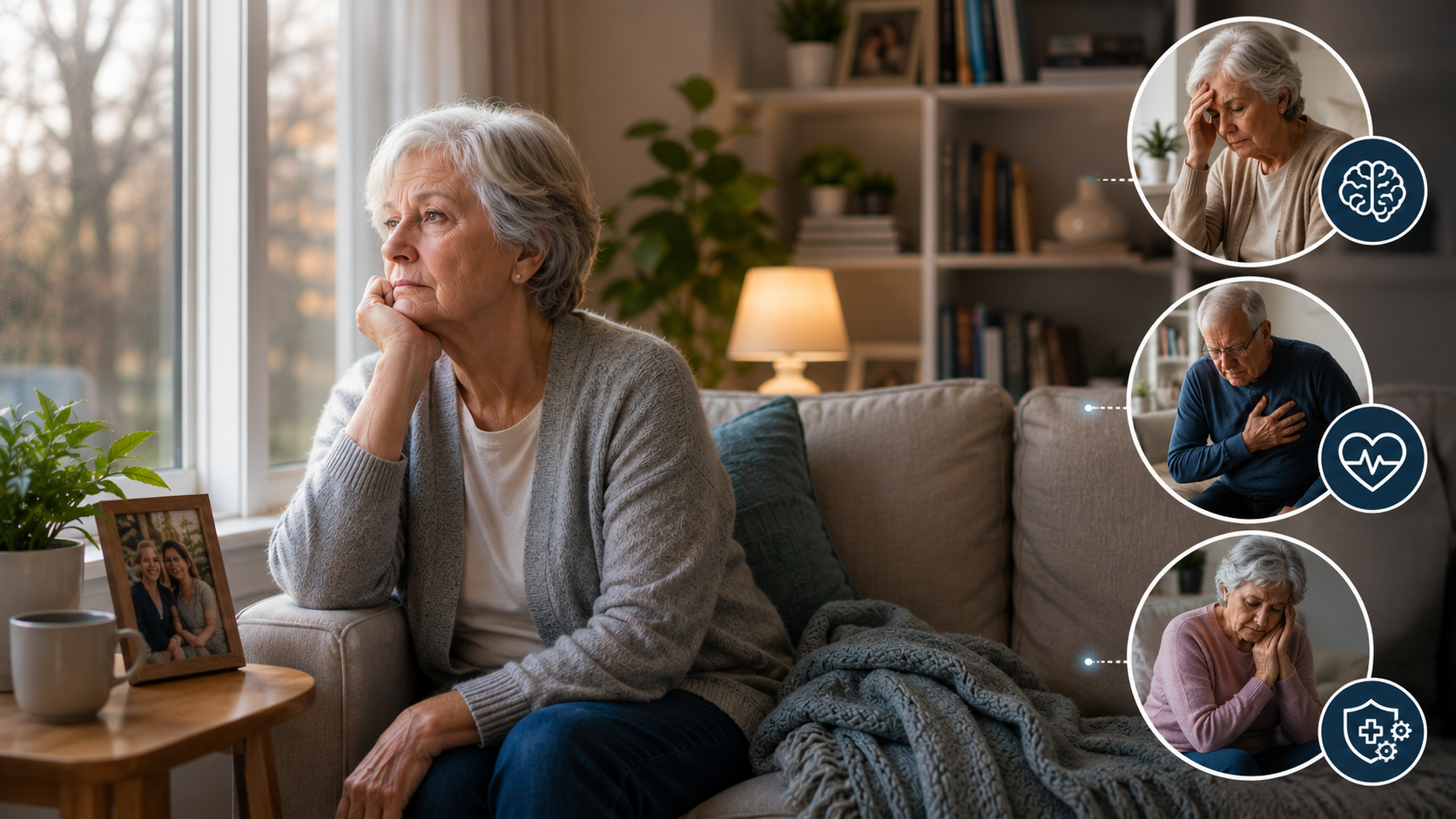
Far fewer realize that chronic loneliness has been linked to health outcomes comparable to smoking multiple cigarettes per day.
The effects are gradual.
They accumulate over time.
Research has connected chronic social isolation with:
Increased risk of depression
Cognitive decline
Dementia
Reduced physical activity
Higher rates of hospitalization
Cardiovascular complications
Increased risk of premature death
Unlike other health risks, loneliness is often invisible.
Many older adults suffer quietly because they don't know where to seek support.
What We Learn During In-Home Visits
Families typically contact HomeStretch because they are concerned about:
Falls
Balance issues
Reduced mobility
Post-surgery recovery
Strength loss
Rarely does someone call and say:
"My mom feels lonely."
"My dad needs more social interaction."
Yet after thousands of in-home visits across Ontario, we've learned that physical challenges are often only part of the story.
Sometimes a client is excited to show us family photos.
Sometimes they want to talk about the career they built decades ago.
Sometimes they spend more time discussing grandchildren than discussing exercise.
And that's perfectly okay.
Because health isn't solely measured by physical strength.
One of the principles Melissa teaches every HomeStretch Kinesiologist is simple:
Listen.
Maintain eye contact.
Ask meaningful questions.
Remember family names.
Celebrate life experiences.
Help people feel heard.
For some clients, their weekly HomeStretch session becomes one of the most meaningful conversations they have all week.
And that matters.
Because connection supports confidence.
Confidence supports movement.
Movement supports independence.
How Communities Are Helping Seniors Stay Connected
Fortunately, communities across Canada are increasingly recognizing loneliness as a public health concern.
Programs and organizations are creating opportunities for older adults to remain active and engaged.
These include:
Senior centres
Community recreation programs
Libraries
Churches
Volunteer organizations
Walking groups
Educational workshops
Local wellness programs
Across Niagara, Hamilton, the GTA, and communities throughout Ontario, there is growing demand for services that help older adults age in place while maintaining meaningful social connections.
At HomeStretch Active Living, our focus is helping older adults maintain:
Strength
Balance
Mobility
Confidence
Independence
Organizations like Tuktu focus on:
Companionship
Transportation
Community support
Different services.
Shared purpose.
Helping older adults feel less alone.
3 Simple Ways to Build More Connection This Week
If you or someone you love is feeling isolated, start small.
1. Start One Conversation
Talk to a neighbour.
Chat with a cashier.
Introduce yourself at a community event.
Small interactions create momentum.
2. Explore Community Programs
Visit a local senior centre, library, recreation centre, or community organization.
You don't need to commit long-term.
Just take the first step.
3. Reach Out for Support
Whether it's a family member, friend, community organization, HomeStretch, or another support service, don't wait until isolation feels overwhelming.
Connection often begins with a single conversation.
The Real Solution to Loneliness
Loneliness is not simply a senior issue.
It's a community issue.
Creating stronger communities isn't solely the responsibility of healthcare providers, governments, or families.
It belongs to all of us.
A wave from a neighbour.
A quick phone call.
Checking in on someone who lives alone.
Volunteering an hour of your time.
Small actions create meaningful change.
During our conversation, Rustam spoke about rebuilding community and creating a more empathetic Canada.
That message resonates deeply with our team at HomeStretch.
Because healthy aging isn't only about preventing falls.
It's not only about building strength.
It's not only about improving balance.
Healthy aging is about feeling valued.
Feeling connected.
Feeling seen.
And perhaps the most powerful gift we can offer another person is reminding them they don't have to navigate aging alone.
Ready to Stay Active, Independent, and Connected?
At HomeStretch Active Living, our Registered Kinesiologists provide personalized in-home exercise programs, fall prevention program, balance training, and healthy aging support throughout Ontario.
Whether you're recovering from a health setback, looking to improve mobility, or simply want to maintain your independence, we're here to help.
Book a complimentary consultation today and discover how movement, confidence, and connection can support healthy aging.
Frequently Asked Questions
-
Yes. Chronic loneliness has been associated with increased risks of depression, cardiovascular disease, reduced physical activity, cognitive decline, and hospitalization.
-
Common signs include reduced communication, withdrawal from hobbies, decreased motivation, staying home more often, and showing less interest in social activities.
-
Regular visits, phone calls, encouraging participation in community programs, arranging transportation, and connecting them with support services can all help reduce isolation.
-
Yes. Exercise programs often provide routine, confidence, social interaction, and opportunities to engage with others, all of which can improve emotional well-being.
-
Strong social connections contribute to better mental health, improved physical health, increased confidence, and greater independence as people age.
Related Posts
Better Sleep for Older Adults, Practical Strategies for Restful Nights
Kinesiology for Seniors: In-Home Personal Training, Rehabilitation & Fall Prevention in Toronto
In-Home Personal Training for Seniors in Toronto: Why Local Kinesiology Matters
Author Bio - Melissa Gunstone, BSc, Kinesiologist
Melissa Gunstone is the founder of HomeStretch, a kinesiologist with years of experience supporting seniors across Canada. Her mission: to give older adults safe, effective, and individualized movement programs, from in-home training to community-based senior fitness classes and to build a nationwide movement that elevates the role of kinesiology in healthy aging.