November 16, 2026
On this page
⚡ Quick Answer
- Fall prevention for seniors is about more than avoiding a fall. It is about the strength, balance and confidence to keep doing everyday activities.
- Goal-led training links exercises to real tasks, such as getting in and out of a car or squatting down to garden.
- A wobble during supported balance practice gives the body a chance to adjust. It does not automatically mean a fall.
- Age alone does not decide whether someone can start. Training should match current abilities, with professional guidance.
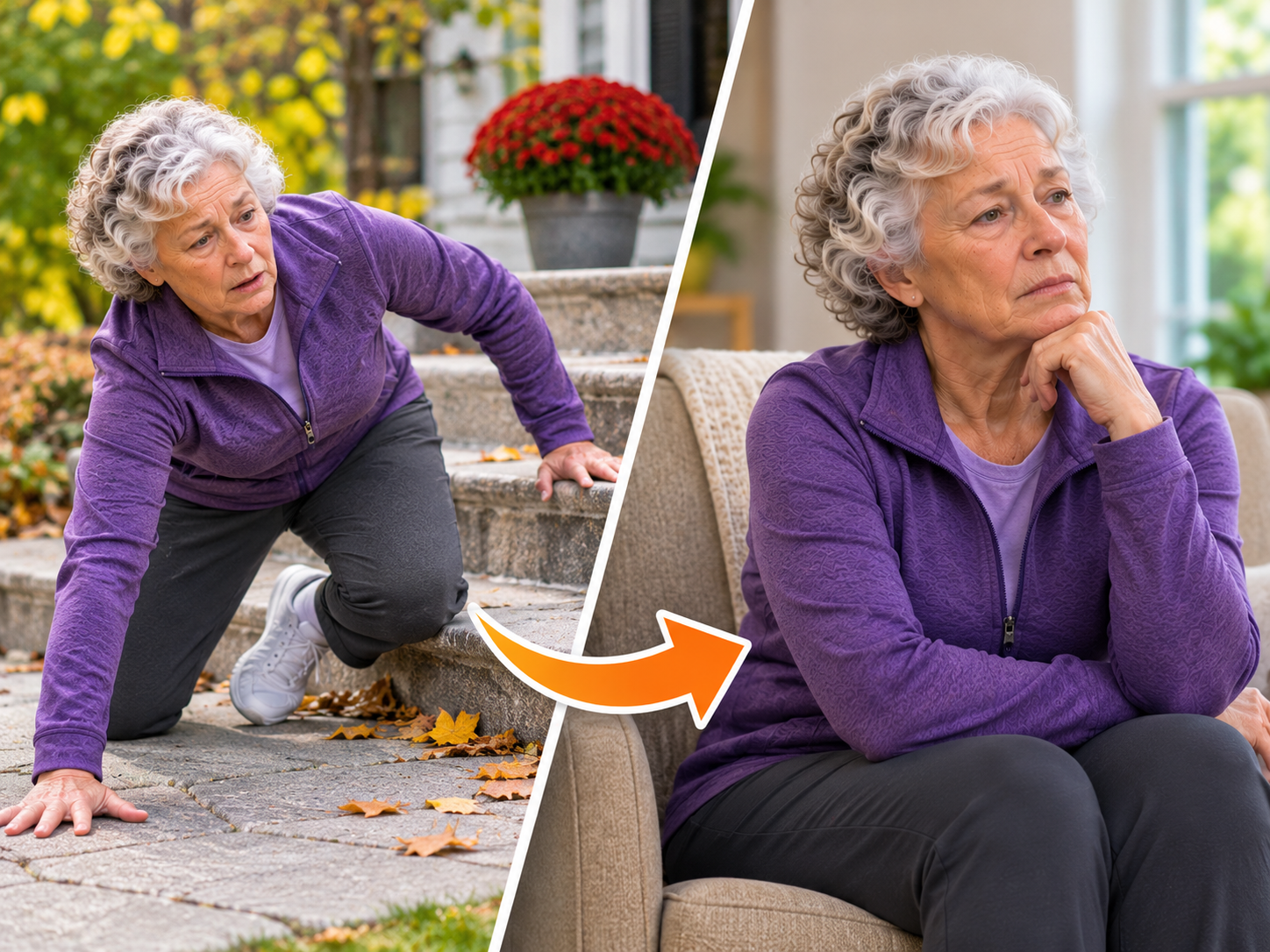
A fall or near fall can change the way an older adult feels about everyday activities. A familiar walk along the sidewalk may suddenly feel uncertain.
For Sharon, the concern was not simply about walking. She missed spending time in her garden, an activity that had been part of her spring, summer and fall routine.
Her experience offers an important reminder: fall prevention for seniors is not only about avoiding a fall. It is also about the strength, balance, mobility and confidence older adults need to keep participating in everyday life.
In an interview with Melissa Gunstone, HomeStretch's founder and kinesiologist, Sharon shared how personalized strength and balance training helped her practise movements that mattered in daily life, from getting in and out of a car to squatting down and standing back up.
Balance and functional exercise at least three times a week, for 12 weeks or more, is the core exercise recommendation of the 2022 World Guidelines for Falls Prevention, led by researchers at Western University, because regular exercise is one of the most effective ways to lower the chance of a fall.
HomeStretch brings this kind of goal-led fall prevention and balance training into homes across Ontario.
When a Near Fall Changes Everyday Confidence
Sharon explained that she had become more cautious after a recent experience on a sidewalk. She was still walking, but she felt nervous about falling on concrete. She began taking her cane with her when she felt unsteady.
The change affected more than her walking routine. Before this, Sharon enjoyed spending hours in the garden, trimming bushes and caring for her plants. After becoming concerned about falling, she found herself avoiding an activity that brought her a great deal of enjoyment.
She told Melissa that she wanted to start getting outside again, begin with manageable tasks and work towards doing more of what she used to do. Her goal was not to complete a particular exercise or reach an arbitrary fitness target. She wanted to feel more comfortable returning to an activity that mattered to her.
It is understandable to be cautious after a near fall, especially around uneven ground, curbs or slippery surfaces. At the same time, avoiding activity altogether may make it harder to maintain strength and mobility. The aim is to identify meaningful goals and work towards them with appropriate support.
Falls usually have more than one cause. The World Guidelines point to factors such as reduced strength and balance, vision changes and hazards like slippery or uneven ground, and they place regular strength and balance exercise at the centre of prevention.
You can also read Afraid of Falling? How Seniors Can Improve Balance, Strength & Confidence at Home for more on how worry about falling can affect balance.
Why Strength and Balance Training Matter in Fall Prevention for Seniors
Everyday activities call on the body to perform a combination of movements. Standing up from a chair, stepping onto a curb, getting out of a vehicle and moving around the garden all require strength, balance and coordination, which is why it can be useful to connect exercise with these real-life tasks.
Building strength for everyday movements
Before beginning training, Sharon had experienced weight and muscle loss during a difficult period when her husband was unwell. She said that a dietitian had encouraged her to focus on building muscle rather than simply trying to regain weight. She wanted to work on her strength and found that Melissa's explanation of the training approach made sense to her.
In their sessions, Melissa included movements related to Sharon's daily activities. They practised getting in and out of a car because Sharon wanted to continue going shopping and taking part in activities outside the home. They also worked on squatting down and getting back up, movements that connected directly to her goal of gardening again. Instead of focusing only on repetitions, training can address the movements someone wants to keep doing.
Practising balance and responding to a wobble
Sharon also spoke about moments when she felt herself wobble during balance practice. At first, she tended to interpret a wobble as a sign that she might fall.
Melissa helped her look at those moments differently, explaining that balance practice gives the body an opportunity to respond, adjust and practise recovering stability. For Sharon, this encouragement made a difference. She began to understand that feeling momentarily unsteady during an appropriately supported exercise did not automatically mean she would fall.
Balance exercises should be selected and adapted to the person's abilities and circumstances. The goal is to practise in a suitable, controlled setting, not to deliberately put someone in an unsafe position.
Functional Training: Practising the Movements That Matter to You
Functional training connects exercise with practical movements used in everyday life. The exercises chosen will depend on the person's abilities, goals and environment. Melissa and Sharon worked on several tasks that related directly to Sharon's routine:
| Everyday goal | Movement practised during training | Why it helps |
|---|---|---|
| Continuing to go shopping and take part in activities outside the home | Getting in and out of a car | Builds leg strength and control for turning, sitting and standing |
| Returning to gardening | Squatting down and standing back up | Practises lowering and rising with control |
| Feeling more comfortable with balance | Practising balance and responding to a wobble | Gives the body a chance to adjust and recover stability |
| Moving around outdoor spaces | Working towards greater confidence on uneven ground | Prepares for curbs, lawns and garden paths |
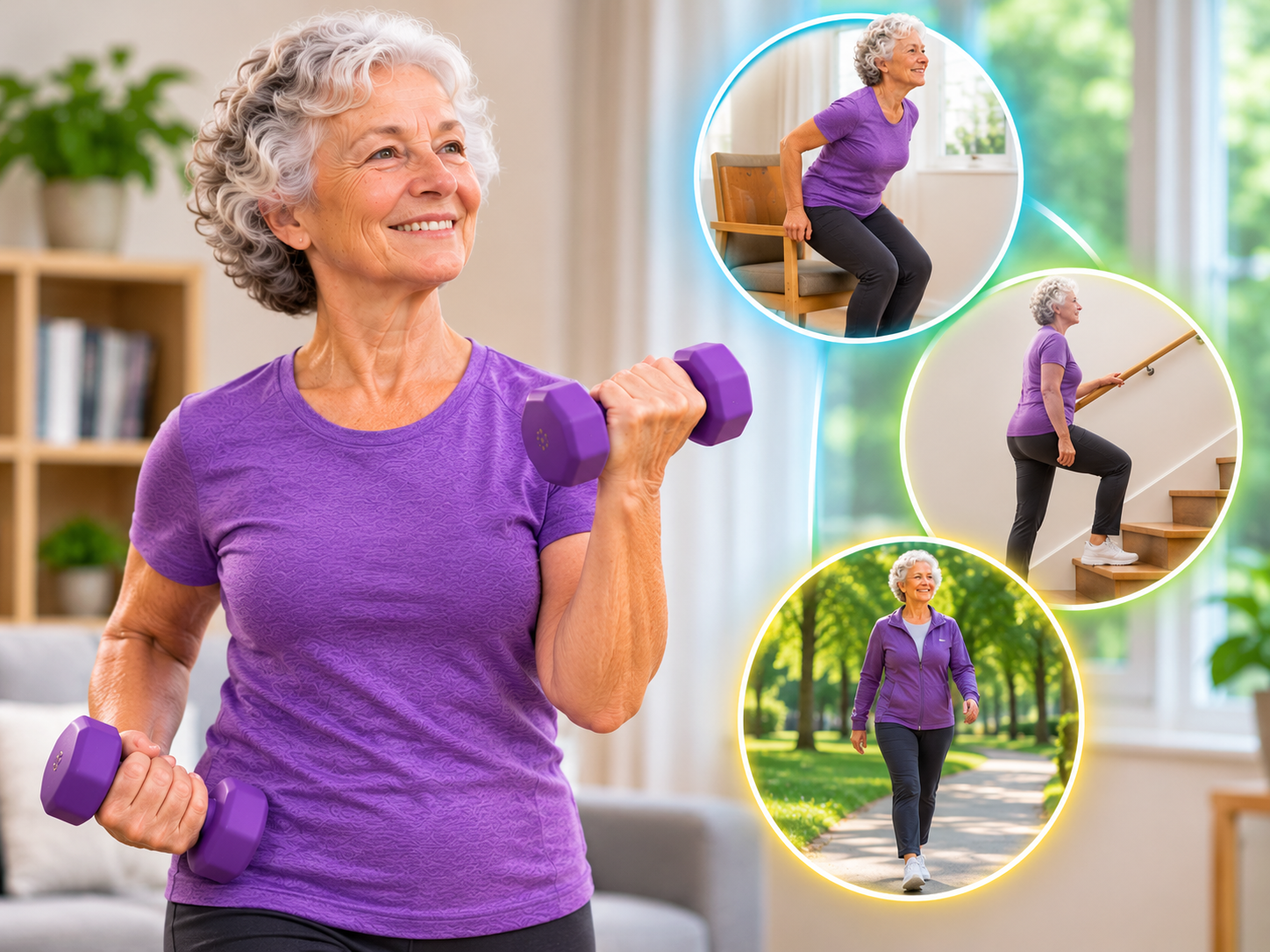
This kind of goal-led approach can make training feel more relevant, because it gives the older adult and kinesiologist a practical reason for each movement. A program for someone who wants to return to gardening may look different from one for someone whose main goal is getting up from a chair more comfortably.
Why Individual Guidance and Encouragement Can Help
Sharon said that people may intend to do exercises they have seen on television or received on a sheet, but they do not always follow through. They may also be unsure whether those exercises address the areas they need to work on. She valued having Melissa organize the sessions around her needs and provide encouragement along the way.
Encouragement that supports confidence
Sharon described Melissa's encouragement as an important part of the experience. She said that being reminded she had done these activities before and could work towards doing them again helped her believe in herself.
That encouragement did not mean pretending every movement was easy. Sharon still noticed moments of unsteadiness and recognized that she needed to be careful in certain situations. The difference was that she had support while practising and working towards her goals.
Practice that carries over into daily life
Sharon also practised squatting down and getting back up on her own between sessions. She wanted to keep working on the movements that would help her return to the garden. Any home practice should be appropriate for the individual's abilities and follow the guidance provided by their exercise professional.
Home practice is a well-established approach in Ontario. Western University's Canadian Centre for Activity and Aging trains instructors in its Home Support Exercise Program, a set of progressive exercises older adults do in their own homes.
Ontario Health's 2026 quality standard for falls in adults recommends that people at risk of falls be supported to take part in an individualized, progressive exercise program that includes strength, balance and functional training, guided by their own goals and abilities.
Is 85 Too Old to Start Strength and Balance Training?
During the interview, Melissa asked what Sharon would say to someone considering strength training at age 85 who felt hesitant about starting. Sharon encouraged people to consider getting support rather than assuming they would manage everything on their own. She explained that having someone organize the training, focus on what needs improvement and provide encouragement had helped her.
Age alone does not tell the whole story. An exercise program should take account of the person's current abilities, health considerations, balance, mobility and goals. Anyone with concerns about their health or safety should speak with an appropriate health professional before beginning or changing an exercise routine.
A few practical principles can help make the starting point more manageable:
- Begin with a meaningful goal. Think about an everyday activity you want to continue or return to, such as gardening, walking or getting in and out of a car.
- Choose exercises that match your current abilities. Movements should suit your balance, strength and mobility.
- Build practice into your routine. Follow the plan from your exercise professional.
- Notice meaningful progress. Progress may mean feeling more comfortable with a movement or becoming more willing to try an activity again.
- Ask for support when you need it. Individual guidance can help make exercise more relevant and manageable.
Sharon's message was ultimately about making the decision to start, accepting support and believing that improvement is possible.
Winter Walking: Melissa's "Penguin Walk" Tip
Sharon recognized that she would still need to be careful when outdoor surfaces were slippery. Melissa shared a memorable reminder for icy conditions: think of how a penguin walks and take small steps rather than rushing. The "penguin walk" is not a guarantee of safety, and icy conditions can remain hazardous even when someone takes extra care.
When walking outdoors in winter:
- Check the conditions and choose a clear, well-maintained route.
- Avoid rushing on potentially slippery surfaces.
- Use a cane or other mobility aid as recommended for your needs.
- Keep your own steps and walkways in good repair and clear of snow, ice and leaves.
- Consider staying indoors or postponing the trip when conditions are unsafe.
How Family Support Can Encourage Active Aging
Sharon shared that her daughter and Chris were supportive of her decision to train with Melissa. She felt that they were encouraged to see her working on her mobility rather than becoming less active. Knowing she was taking steps towards her goals also gave them greater peace of mind.
Family members can support an older adult by:
- Asking which everyday activities are most important to them.
- Encouraging appropriate exercise and professional guidance.
- Recognizing effort and progress without putting pressure on them.
- Respecting the older adult's preferences and independence.
- Helping identify practical concerns at home or outdoors.
Support is most useful when it helps an older adult work towards their own goals, rather than assuming what they can or cannot do.
Sharon's Goal: Getting Back to the Garden
One of the most memorable parts of Sharon's interview was how clearly she described what she wanted to regain. She missed spending time in the garden. She wanted to get outside, start with manageable tasks and gradually work towards doing more.
Sharon was building her training around that personal goal. She also described feeling more confident and said that Melissa's encouragement helped her believe she could keep practising.
Her story is a reminder that progress is personal. For one person, it may mean feeling more comfortable getting out of a car. For another, it may mean walking around the garden or returning to a favourite activity.
Stay Strong. Stay Steady. Stay Independent.
Sharon's experience is not about returning to every activity overnight or pretending that the fear of falling disappears. It is about identifying what matters, practising the movements that support those goals and having encouragement along the way.
At HomeStretch Active Living, our in-home exercise programs connect strength, balance and mobility work to daily life, shaped around what matters to you. We visit homes across Ontario, including Hamilton. See all of our service areas.
You don't have to stop doing the things you love just because you're getting older.
Frequently Asked Questions About Fall Prevention for Seniors
What types of exercise can support fall prevention for seniors?
Exercise programs for people at risk of falls may include activities that work on balance, strength and functional movement. The exercises should be individualized and adapted to the person's abilities, goals and level of risk.
Is 85 too old to begin strength training?
Age alone does not determine whether someone can take part in strength training. The program should be based on the person's current abilities, health considerations and goals, with appropriate professional guidance.
How can someone rebuild confidence after a fall or near fall?
A gradual, supported return to appropriate activities may help an older adult work towards feeling more confident. Individual goals, suitable strength and balance exercises, and encouragement can all be part of that process. Persistent concerns or changes in mobility should be discussed with an appropriate health professional.
How can family members support an older adult who is worried about falling?
Family members can listen to the older adult's concerns, ask which activities they want to maintain, encourage appropriate professional support and recognize progress. The aim is to support confidence and independence without pressuring someone to do something that feels unsafe.
Author Bio - Melissa Gunstone, BSc, Kinesiologist
Melissa Gunstone is the founder of HomeStretch, a kinesiologist with years of experience supporting seniors across Canada. Her mission: to give older adults safe, effective, and individualized movement programs, from in-home training to community-based senior fitness classes and to build a nationwide movement that elevates the role of kinesiology in healthy aging.