Importance of Hydration for Older Adults; Benefits, Prevention, and Daily Intake Guidance
January 22, 2026
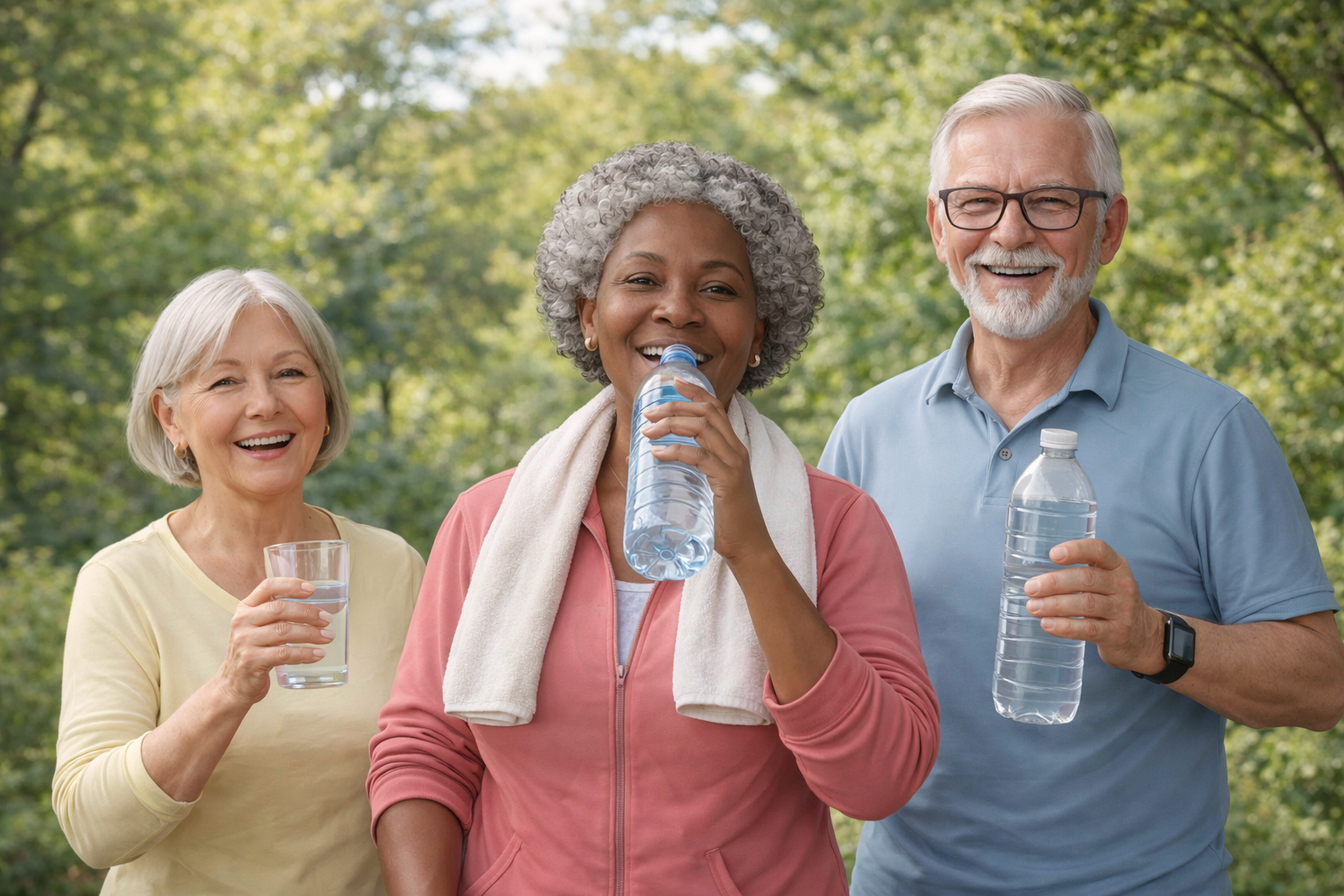
Staying hydrated sounds simple yet dehydration is one of the most common and overlooked health risks for older adults.
Many seniors don’t feel thirsty as often, take medications that increase fluid loss, or limit drinking to avoid frequent bathroom trips.
Over time, these factors quietly increase the risk of fatigue, dizziness, confusion, falls, and delayed recovery from illness or surgery.
Hydration is not just about drinking water. It directly affects brain function, joint health, muscle performance, circulation, balance, and overall independence.
Even mild dehydration can impact how safely and confidently an older adult moves through daily life.
In this guide, we break down why hydration matters more with age, how dehydration shows up in subtle ways, and how seniors can protect their health through simple, realistic hydration strategies especially when combined with movement and in-home kinesiology support.
Why Is Hydration So Important for Older Adults?
As we age, the body becomes less efficient at maintaining fluid balance. Older adults typically have a lower percentage of body water, reduced kidney function, and a weaker thirst response. This means dehydration can develop quickly, often before someone realizes it.
Adequate hydration helps support:
Body temperature regulation
Nutrient and oxygen delivery
Joint lubrication and muscle function
Blood pressure stability
Cognitive clarity and mood
When hydration is poor, everyday tasks like standing up, walking, or concentrating can become harder, increasing the risk of falls and injuries.
How Does Hydration Support Brain Health and Mood in Seniors?
The brain is highly sensitive to fluid levels. Even mild dehydration can affect concentration, memory, and emotional regulation. Older adults who are under-hydrated may experience:
Brain fog or confusion
Slower reaction times
Increased fatigue
Low mood or irritability
Research shows a strong connection between hydration status and cognitive performance in older adults, with dehydration linked to faster cognitive decline and reduced mental clarity. Staying hydrated helps maintain blood flow to the brain and supports the metabolic processes needed for thinking, memory, and emotional balance.
How Hydration Supports Strength, Mobility, and Joint Health
Water is essential for movement. Joints rely on fluid for lubrication, and muscles need adequate hydration to contract efficiently. When fluid levels are low, seniors may notice:
Stiff or painful joints
Muscle cramps or weakness
Faster fatigue during activity
Proper hydration helps muscles recover after exercise, reduces discomfort during movement, and supports confidence when walking or changing positions, all essential for aging safely at home.
Common Causes of Dehydration in Older Adults
Dehydration rarely has a single cause. In seniors, it is often the result of several factors working together.
Risk Factors That Increase Dehydration
Reduced thirst sensation
Diuretics, blood pressure medications, laxatives, antihistamines
Diabetes or kidney disease
Cognitive changes or memory challenges
Fear of incontinence or nighttime bathroom trips
Understanding these risks allows families and care teams to put prevention strategies in place before dehydration becomes a serious issue.
Early Signs and Symptoms of Dehydration in Seniors
Dehydration doesn’t always look dramatic at first. Early signs can be subtle but meaningful.
Common early symptoms include:
Dry mouth or lips
Fatigue or low energy
Dizziness or lightheadedness
Headaches
Confusion or increased forgetfulness
More severe dehydration may lead to rapid heartbeat, low blood pressure, fainting, or falls. Catching dehydration early can prevent emergency situations and hospital visits.
Recommended Daily Fluid Intake for Seniors
Most older adults should aim for 6–8 cups (1.5–2 litres) of total fluids per day, including beverages and fluid from foods. Needs may increase with:
Physical activity
Hot weather
Illness or recovery from surgery
Healthcare providers or kinesiologists can help tailor intake for individuals with heart, kidney, or bladder conditions.
Hydrating Foods That Support Fluid Intake
Fluids don’t only come from water. Many seniors find it easier to stay hydrated by including water-rich foods.
Excellent hydration-supporting foods include:
Cucumbers
Watermelon
Oranges
Berries
Soups and broths
Yogurt
These foods contribute to fluid intake while also providing vitamins, minerals, and energy.
Hydration, Balance, and Fall Prevention
Dehydration significantly increases fall risk. Low fluid levels can cause dizziness, slowed reaction time, and confusion, all of which make balance harder to maintain.
Studies show that older adults who are dehydrated are more likely to experience falls, especially when standing up quickly or walking on uneven surfaces. Maintaining hydration supports:
Blood pressure stability
Clear thinking
Muscle responsiveness
Safer movement patterns
How Hydration and Kinesiology Work Together
Movement programs are more effective when the body is properly hydrated. Kinesiologist-guided exercise helps improve balance, strength, and confidence but hydration supports the body’s ability to respond and adapt to that movement.
Hydration helps:
Reduce fatigue during exercise
Improve muscle recovery
Support joint comfort
Enhance coordination and balance
This combination is especially important for seniors working on fall prevention or returning to activity after a period of inactivity.
Hydration and Post-Surgery Recovery for Seniors
After surgery, the body relies heavily on fluids to heal. Hydration supports circulation, nutrient delivery, waste removal, and inflammation management.
Older adults who stay well-hydrated during recovery often experience:
Better energy levels
Improved tolerance for rehabilitation exercises
Reduced risk of complications
More comfortable recovery overall
Hydration is a simple but powerful tool that supports safer, more effective rehabilitation at home.

How HomeStretch Active Living Supports Hydration and Wellness
At HomeStretch Active Living, hydration is viewed as a foundational part of healthy aging — not a standalone habit. Kinesiologists integrate hydration awareness into personalized care plans that support movement, recovery, and confidence at home.
Personalized Hydration Support
HomeStretch kinesiologists help older adults:
Understand daily fluid needs
Identify hydration-rich food options
Recognize early signs of dehydration
Build routines that support both movement and hydration
Community Education and Workshops
Through community workshops, seniors learn practical strategies for hydration, balance, and fall prevention in a supportive group setting empowering them to take control of their health with confidence.
Quick Takeaway: Hydration Strategies for Seniors
| Hydration Strategy | Recommended Intake | Key Benefits |
|---|---|---|
| Water & Beverages | 6–8 cups daily | Supports brain, muscles, circulation |
| Hydrating Foods | Varies by diet | Adds fluids + nutrients |
| Education & Support | Ongoing | Reduces falls, improves confidence |
Hydration is one of the simplest, and most powerful ways older adults can protect their health, independence, and quality of life. When combined with safe movement, education, and personalized in-home support, proper hydration helps seniors stay steady, confident, and active at home.
If you or a loved one are working on balance, recovery, or healthy aging, hydration is a vital place to start and one that should never be overlooked.
Ready to support safer movement and healthy aging at home?
Connect with HomeStretch Active Living to learn how personalized in-home kinesiology can support hydration, balance, and independence.
Frequently Asked Questions
-
Most older adults should aim for 6–8 cups (1.5–2 litres) of total fluids daily, including water, beverages, and fluid-rich foods. Individual needs may vary based on health conditions, activity level, and weather.
-
As we age, the body’s thirst response weakens, and some medications increase fluid loss. Seniors may also limit drinking to avoid frequent bathroom trips, which can raise dehydration risk.
-
Yes. Dehydration can cause dizziness, confusion, low blood pressure, and muscle weakness, all of which increase the risk of falls and balance-related injuries in seniors.
-
Absolutely. Foods like soups, fruits, yogurt, and vegetables contain significant water and help seniors meet daily hydration needs, especially if drinking large amounts of water is difficult.
Related Posts
What You Really Get with an In-Home Personal Trainer for Seniors
A Safer New Year Starts at Home Understanding Fall Risk Assessments for Seniors
Author Bio - Melissa Gunstone, BSc, Kinesiologist
Melissa Gunstone is the founder of HomeStretch, a kinesiologist with years of experience supporting seniors across Canada. Her mission: to give older adults safe, effective, and individualized movement programs, from in-home training to community-based senior fitness classes and to build a nationwide movement that elevates the role of kinesiology in healthy aging.
The 3 Biggest Barriers to Aging in Place - Niagara - St. Catharines, Hamilton, Dundas, Burlington, Toronto - Fall Prevention | Strength & Mobility | Caregiver Resources