A Safer New Year Starts at Home Understanding Fall Risk Assessments for Seniors
January 02, 2026
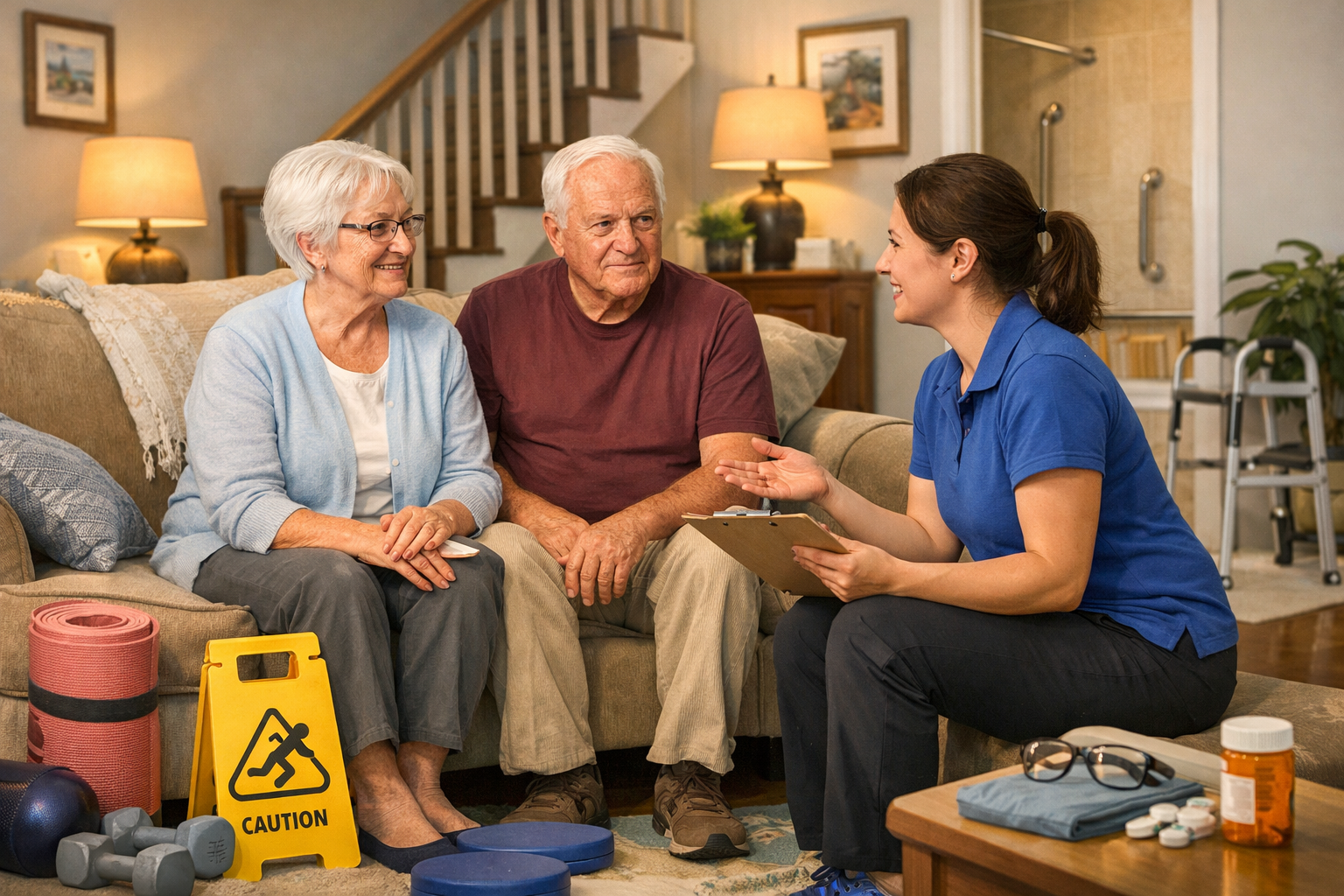
The New Year is a natural time to reflect, reset, and plan for what matters most.
For many older adults and their families, that priority is simple but powerful: staying safe, mobile, and independent at home.
While New Year’s resolutions often focus on fitness or lifestyle changes, one of the most meaningful resolutions a senior can make is fall prevention.
Falls remain one of the leading causes of injury, hospitalization, and loss of independence among older adults, yet many falls are preventable with early assessment and targeted support.
A fall risk assessment provides a clear starting point. It identifies who may be at higher risk, what factors are contributing to that risk, and what practical steps can reduce it.
This article explains what a fall risk assessment includes, why addressing risk early in the year matters, and how in-home kinesiologist-led care helps seniors build safer movement habits that last all year long.
By the end, you’ll have practical next steps to make “aging safely at home” a realistic New Year resolution, not just a hope.
What Is a Fall Risk Assessment for Seniors?
A fall risk assessment is a comprehensive review of the physical, medical, and environmental factors that influence stability and safety. Instead of focusing on a single issue, it looks at the whole picture of how a person moves and lives.
During an assessment, clinicians evaluate:
Balance and postural control
Strength and power needed for daily tasks
Walking ability and turning
Vision, hearing, and reaction time
Medications that affect dizziness or alertness
The home environment where most movement occurs
The result is a prioritized action plan, not generic advice, that may include targeted exercises, home safety recommendations, referrals for medication or vision review, and measurable goals. Starting the year with this clarity helps families move forward with confidence.
Why Fall Prevention Is a Smart New Year Resolution
Unlike many resolutions that fade by February, fall prevention is built on small, consistent actions that create real change over time.
Addressing fall risk early in the year allows seniors to:
Build strength before mobility declines further
Improve balance and reaction time safely
Reduce fear of falling and regain confidence
Prevent injuries that disrupt routines and independence
Early detection also gives families time to act before a fall happens, rather than reacting after an injury. Making fall prevention a New Year resolution shifts the focus from recovery to prevention.
Key Areas Reviewed in a Fall Risk Assessment
A thorough assessment looks at multiple contributors to fall risk so interventions can be matched to the right problem.
Common areas assessed include:
Fall history and medical conditions that increase risk
Medication review, especially sedatives or blood-pressure medications
Balance and gait testing to assess steadiness and walking speed
Lower-body strength testing for transfers and stairs
Vision and hearing screening to support safe navigation
Home environment review to identify hazards and supports
Understanding these areas helps families see where meaningful improvements can be made in the year ahead.
Why a Kinesiologist-Led Approach Makes a Difference
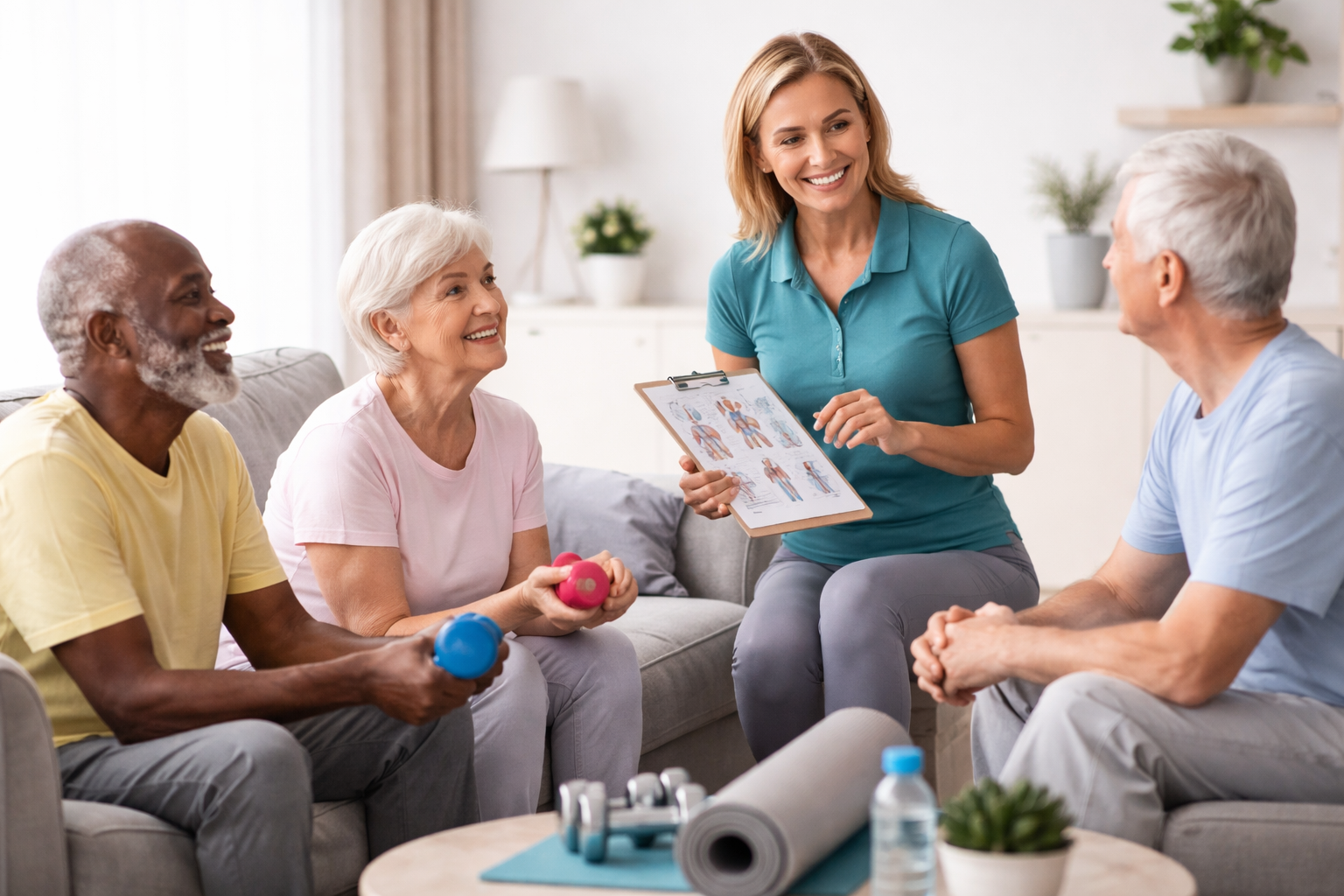
Kinesiologists apply movement science to improve strength, balance, and mobility safely. Unlike generic exercise programs, kinesiology-led plans are tailored to individual needs, health conditions, and home environments.
This results in:
Reduced injury risk
More efficient progress
Better transfer of gains to daily activities
Increased confidence and adherence
Fall Prevention: A Core Part of HomeStretch Goals
Falls remain one of the greatest threats to senior independence. Effective prevention combines:
Targeted balance and strength exercises
Home safety modifications
Monitoring of health and medication factors
Common Fall Risks in Southern Ontario Homes
Poor lighting
Loose rugs and clutter
Uneven thresholds
Bathroom hazards
Lower-limb weakness or balance changes
Kinesiologist-Led Exercises That Reduce Fall Risk
Sit-to-stand strength training
Heel raises and marching drills
Tandem stance and single-leg balance
Gait and walking pattern training
Short daily practice (10–20 minutes), combined with supervised sessions 2–3 times per week, produces measurable improvements.
Aging in Place Through Home Modifications
Environmental changes work hand-in-hand with exercise. High-impact improvements include:
| Risk Factor | Recommended Intervention | Timing |
|---|---|---|
| Poor lighting | Brighter bulbs, night lights | Immediate |
| Loose rugs | Remove or secure rugs | One-time + checks |
| Bathroom hazards | Grab bars, non-slip mats | Immediate |
| Weak strength | Progressive exercise | Ongoing |
Together, physical training and home modifications provide layered protection for long-term independence.
In-Home Fitness Programs for Active Aging
In-home senior fitness removes barriers like transportation and unfamiliar environments.
Programs focus on:
Strength and power for daily tasks
Balance and fall prevention
Mobility and flexibility
Endurance for community participation
Training at home ensures improvements translate directly into real-world function.
Building a Personalized Senior Wellness Plan
A comprehensive wellness plan integrates physical, cognitive, social, and environmental elements:
| Plan Component | Intervention | Outcome |
|---|---|---|
| Physical | Strength & balance training | Improved function |
| Cognitive | Learning & mental tasks | Mental agility |
| Social | Community programs | Reduced isolation |
| Environmental | Home safety upgrades | Fewer hazards |
This holistic approach produces more sustainable results than addressing one area alone.
The Importance of Community and Caregiver Support
Social connection improves motivation, mental health, and adherence to wellness routines. HomeStretch offers Community Workshops and Presentations focused on fall prevention, goal-setting, and safe exercise for seniors and caregivers.
Families play a key role by:
Supporting realistic goal-setting
Encouraging daily routines
Assisting with home safety changes
Celebrating progress
Education and shared understanding reduce caregiver stress and improve outcomes.
Frequently Asked Questions
-
A successful goal is SMART, meaningful, and regularly reviewed. It focuses on daily function and includes measurable milestones.
-
Wearables, apps, and virtual check-ins help track activity, remind routines, and maintain connection with professionals and community resources.
-
Small wins, enjoyable activities, and regular check-ins build momentum. Support from professionals and peers improves consistency.
Related Posts
Practical Planning for Active, Independent Seniors in Southern Ontario
Senior Nutrition & Healthy Meals: Key Vitamins and Practical Tips for Seniors
In-Home Senior Rehab: Personalized Care for Safer Movement & Independence
Author Bio - Melissa Gunstone, BSc, Kinesiologist
Melissa Gunstone is the founder of HomeStretch, a kinesiologist with years of experience supporting seniors across Canada. Her mission: to give older adults safe, effective, and individualized movement programs, from in-home training to community-based senior fitness classes and to build a nationwide movement that elevates the role of kinesiology in healthy aging.
The 3 Biggest Barriers to Aging in Place - Niagara - St. Catharines, Hamilton, Dundas, Burlington, Toronto - Fall Prevention | Strength & Mobility | Caregiver Resources