The Impact of One-on-One In-Home Personalized Training for Seniors
March 19, 2026
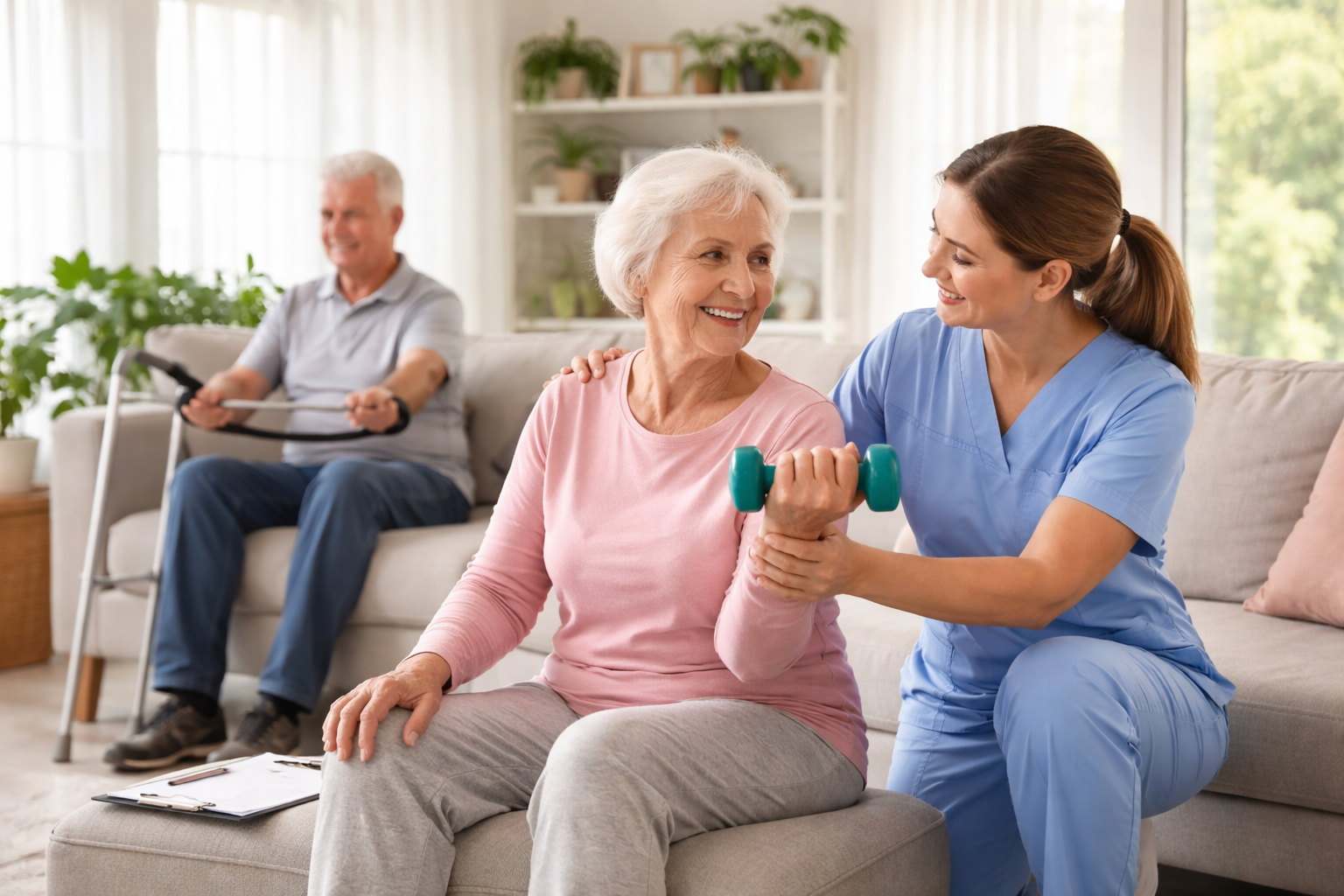
For many older adults, recovery doesn’t end when they leave the hospital or rehabilitation clinic. In fact, the most important part of recovery often happens at home.
Seniors frequently return home with exercise sheets and general instructions but without the personalized support needed to maintain progress.
Without guidance, it becomes difficult to stay motivated, perform exercises correctly, or safely rebuild strength and balance.
That’s where one-on-one in-home physical therapy and kinesiology-led training programs can make a powerful difference.
By working directly with a trained professional in the comfort of their own home, seniors receive individualized attention, targeted exercises, and ongoing support designed specifically for their needs.
At HomeStretch Active Living, our kinesiologists focus on helping seniors rebuild strength, improve balance, and regain confidence in daily movement.
As founder Melissa Gunstone discovered early in her career, many older adults leave clinical care without the long-term support needed to continue progressing safely at home. Personalized guidance fills that critical gap between rehabilitation and true independence.
In this guide, we’ll explore:
How one-on-one training improves recovery for seniors
Key fall prevention exercises used in personalized programs
What to expect from an in-home therapy program
How caregivers support successful recovery
How families can begin with a free consultation
How One-on-One Training Enhances Recovery for Seniors
One-on-one training allows therapists and kinesiologists to tailor rehabilitation programs specifically to the individual.
Every senior has different mobility challenges, health conditions, and recovery goals. Personalized training ensures that exercises are designed around those unique needs rather than following a generic program.
This individualized approach often leads to:
Faster progress in strength and mobility
Higher motivation and participation
Safer rehabilitation with reduced injury risk
Greater long-term independence
When seniors feel supported and guided through their recovery journey, they are far more likely to stay engaged and committed to improving their health.
Key Benefits of Personalized Recovery Programs for Seniors
1. Improved Mobility and Daily Function
Targeted strength and movement training helps seniors rebuild the muscles needed for everyday activities such as:
Standing up from a chair
Walking safely around the home
Climbing stairs
Carrying groceries
Getting in and out of bed
Improving these basic movements restores independence and confidence.
2. Reduced Fall Risk
Falls are one of the leading causes of injury among older adults.
Personalized programs include specific exercises designed to improve:
Balance
Reaction time
Leg strength
Coordination
Strengthening these areas significantly reduces fall risk and helps seniors feel safer moving around their homes.
3. Increased Motivation and Emotional Support
Recovery can feel overwhelming for many seniors.
Having a professional coach, therapist, or kinesiologist providing encouragement and feedback makes the process more positive and motivating.
The emotional support provided through one-on-one sessions often leads to greater consistency and better outcomes.
How Individualized Training Improves Mobility and Independence
Individualized programs focus on strengthening the muscles and movement patterns that seniors use most in daily life.
Common training components include:
Strength Training - Exercises like sit-to-stands, step-ups, and resistance movements build the leg and core strength needed for safe movement.
Balance Training - Activities such as single-leg standing, heel-to-toe walking, and controlled stepping exercises improve stability and coordination.
Functional Movement Practice
Therapists often train movements that mimic real-life tasks, including:
Getting up from a couch
Reaching overhead
Turning safely while walking
Carrying light objects
By practicing these movements regularly, seniors become more confident navigating everyday activities.
Effective Fall Prevention Exercises Used in One-on-One Programs
Fall prevention is a central focus of senior rehabilitation programs. When guided by a trained professional, the following exercises can significantly reduce fall risk.
Lower Body Strength Exercises
Strong legs are essential for maintaining balance and preventing falls.
Common exercises include:
Sit-to-stand movements
Step-ups
Supported squats
Leg lifts
These movements build stability and improve walking ability.
Balance Training Exercises
Balance exercises train the brain and body to respond quickly to movement changes.
Examples include:
Standing on one leg while holding a chair
Heel-to-toe walking
Controlled side stepping
Weight shifting exercises
These exercises help seniors improve coordination and reaction time.
Flexibility and Mobility Work
Gentle stretching helps improve joint mobility and reduces stiffness, which can interfere with safe movement.
Flexibility training often focuses on:
Hip mobility
Hamstring flexibility
Ankle range of motion
Shoulder mobility
Improved flexibility supports safer movement patterns and reduces injury risk.
Why Fall Prevention Education Matters
Exercise alone isn’t enough to prevent falls. Education is an essential part of personalized recovery programs.
Seniors and caregivers learn how to identify and reduce common fall hazards such as:
Poor lighting in hallways
Loose rugs
Cluttered walkways
Unsafe footwear
Improper use of mobility aids
By combining exercise training with home safety education, seniors gain the tools needed to stay safer in their daily environments.
What an In-Home Physical Therapy Program for Seniors Includes
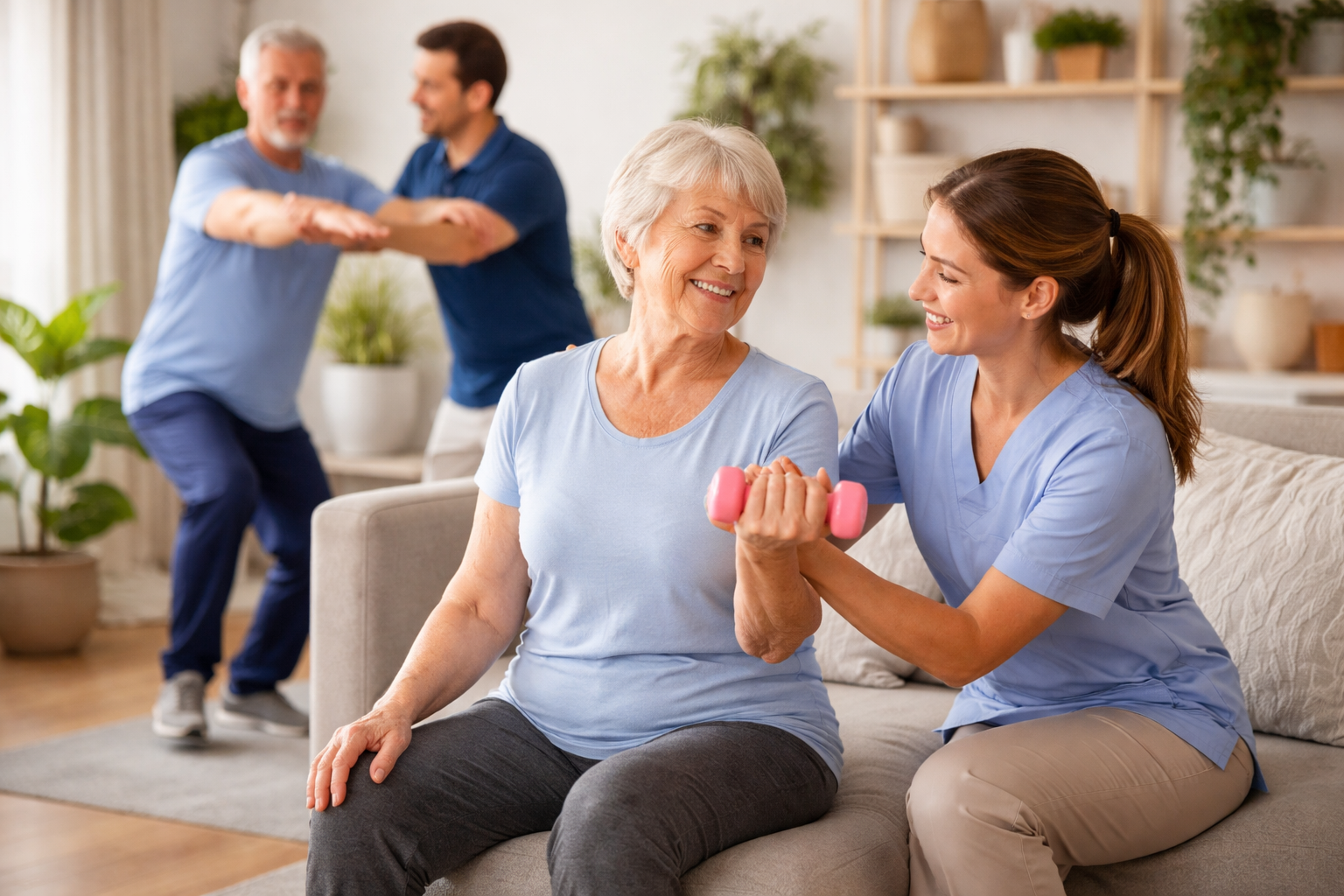
In-home personal training programs are designed to provide comprehensive support that fits naturally into a senior’s daily routine.
Most programs include the following components.
Initial In-Home Assessment
The program begins with a full assessment of the senior’s:
Strength
Balance
Mobility
Fall risk
Daily activity challenges
This evaluation helps create a personalized recovery plan.
Customized Exercise Plan
After the assessment, the therapist designs a training program tailored to the senior’s abilities and goals. Exercises are carefully progressed over time to ensure safe improvement.
Ongoing Progress Monitoring
During each session, therapists track improvements in:
Strength
Balance
Walking ability
Confidence with movement
Programs are adjusted as needed to continue progress safely.
The Important Role of Caregivers in Recovery
Caregivers play an important role in helping seniors succeed with their recovery programs.
Support from family members can include:
Assisting With Exercises
Caregivers can help seniors perform exercises safely between sessions.
Encouraging Consistency
Regular encouragement helps seniors stay motivated and committed to their programs.
Monitoring Changes
Caregivers can observe improvements or concerns and communicate them to therapists. When caregivers are involved, recovery programs often become more effective and sustainable.
How One-on-One Rehabilitation Supports Post-Surgery Recovery
After surgeries such as:
Hip replacement
Knee replacement
Shoulder surgery
Spinal procedures
many seniors require structured rehabilitation to regain mobility and function. Personalized in-home rehabilitation offers several advantages.
Faster Recovery
Targeted training helps seniors rebuild strength in the muscles affected by surgery. This allows them to return to normal activities more quickly.
Reduced Complications
Guided movement reduces the risk of complications such as:
Joint stiffness
Muscle loss
Poor mobility patterns
Better Long-Term Function
When seniors continue strengthening after surgery, they often regain better balance, mobility, and independence than before.
Booking a Free Consultation for Personalized Training
Starting an in-home recovery program begins with a simple consultation. During the initial visit, families can learn how personalized training can support safer recovery.
Start Your Recovery With Personalized Support
Recovery should never feel confusing or unsupported. With one-on-one in-home training, seniors receive the guidance, encouragement, and structure needed to rebuild strength and confidence safely.
If you or a loved one would benefit from personalized recovery support, HomeStretch Active Living offers professional kinesiology-led programs designed specifically for older adults.
Book your free in-home consultation today and take the first step toward safer movement, stronger balance, and greater independence.
Frequently Asked Questions
-
One-on-one physical therapy provides personalized attention, customized exercise programs, and safer rehabilitation. This approach helps seniors improve mobility, reduce fall risk, and regain independence faster than generalized programs.
-
Most experts recommend seniors perform balance exercises 2–3 times per week. Regular practice improves coordination, strengthens stabilizing muscles, and helps prevent falls.
-
Yes. In-home therapy focuses on strength, balance, and functional movement training that directly addresses fall risk. Therapists also assess the home environment and recommend safety improvements.
-
Yes. In-home rehabilitation helps seniors safely rebuild strength and mobility following surgery. Personalized programs allow therapists to adjust exercises based on recovery progress and individual needs.
Related Posts
Better Sleep for Older Adults, Practical Strategies for Restful Nights
Kinesiology for Seniors: In-Home Personal Training, Rehabilitation & Fall Prevention in Toronto
In-Home Personal Training for Seniors in Toronto: Why Local Kinesiology Matters
Author Bio - Melissa Gunstone, BSc, Kinesiologist
Melissa Gunstone is the founder of HomeStretch, a kinesiologist with years of experience supporting seniors across Canada. Her mission: to give older adults safe, effective, and individualized movement programs, from in-home training to community-based senior fitness classes and to build a nationwide movement that elevates the role of kinesiology in healthy aging.
The 3 Biggest Barriers to Aging in Place - Niagara - St. Catharines, Hamilton, Dundas, Burlington, Toronto - Fall Prevention | Strength & Mobility | Caregiver Resources