The Belief That Steals 7.5 Years: Ageism
November 21, 2025

How Internalized Ageism Quietly Impacts Longevity, Confidence, and Movement in Older Adults
Research from the World Health Organization found something staggering:
Internalized ageism can shorten life expectancy by up to 7.5 years.
Seven. And a half. Years.
For most older adults, that’s not “just a number.”
That’s seven more years of cooking holiday meals, walking with friends, travelling, hugging grandkids, gardening, laughing, living.
Recently, inside the AGEnts of Movement group, someone shared an article that stopped me in my tracks and I want you to hear it too.
Because what’s stealing those years isn’t fate.
It’s belief.
What Is Internalized Ageism? (And Why Does It Matter?)
Internalized ageism happens when older adults absorb negative messages about aging often quietly, subtly, and over many years.
Beliefs like:
“I’m too old for that.”
“I shouldn’t try this I might fall.”
“I guess slowing down is just part of aging.”
“I’m too fragile to do anything challenging.”
And here’s what the research shows: when people believe aging automatically means decline, they move less, try less, and take fewer healthy risks.
Over time, that affects:
strength
balance
mobility
mood
social connection
and longevity
The body follows the mind and the mind absorbs the world around it.
How Ageism Shows Up in Everyday Life
Sometimes ageism is loud.
But more often… it’s quiet.
1. Seated-only exercise programs
When seniors are consistently offered only gentle or seated activities, it communicates:
“We don’t expect much from you.”
2. Overprotective caregiving
Family members often mean well, but doing everything for someone sends the message:
“You can’t.”
3. Healthcare language that limits, rather than empowers
Being told “don’t push yourself” instead of “here’s how to do this safely” changes how someone sees their own capability.
4. The cultural obsession with “anti-aging”
Older adults are shown a world that treats aging like a problem to be fixed rather than a stage of life to live fully.
These messages don’t just influence confidence.
They influence lifespan.
Why This Matters for Seniors in Ontario
As a kinesiologist working with hundreds of older adults across Ontario, I’ve seen this pattern over and over:
When someone believes they can’t do more… they don’t.
And when they believe they’re capable, strong, and adaptable they move more, progress faster, and feel more confident.
This mindset shift affects:
fall risk
independence
energy
the willingness to try new things
participation in exercise
overall wellbeing
It’s not just movement science.
It’s psychology, identity, and environment working together.
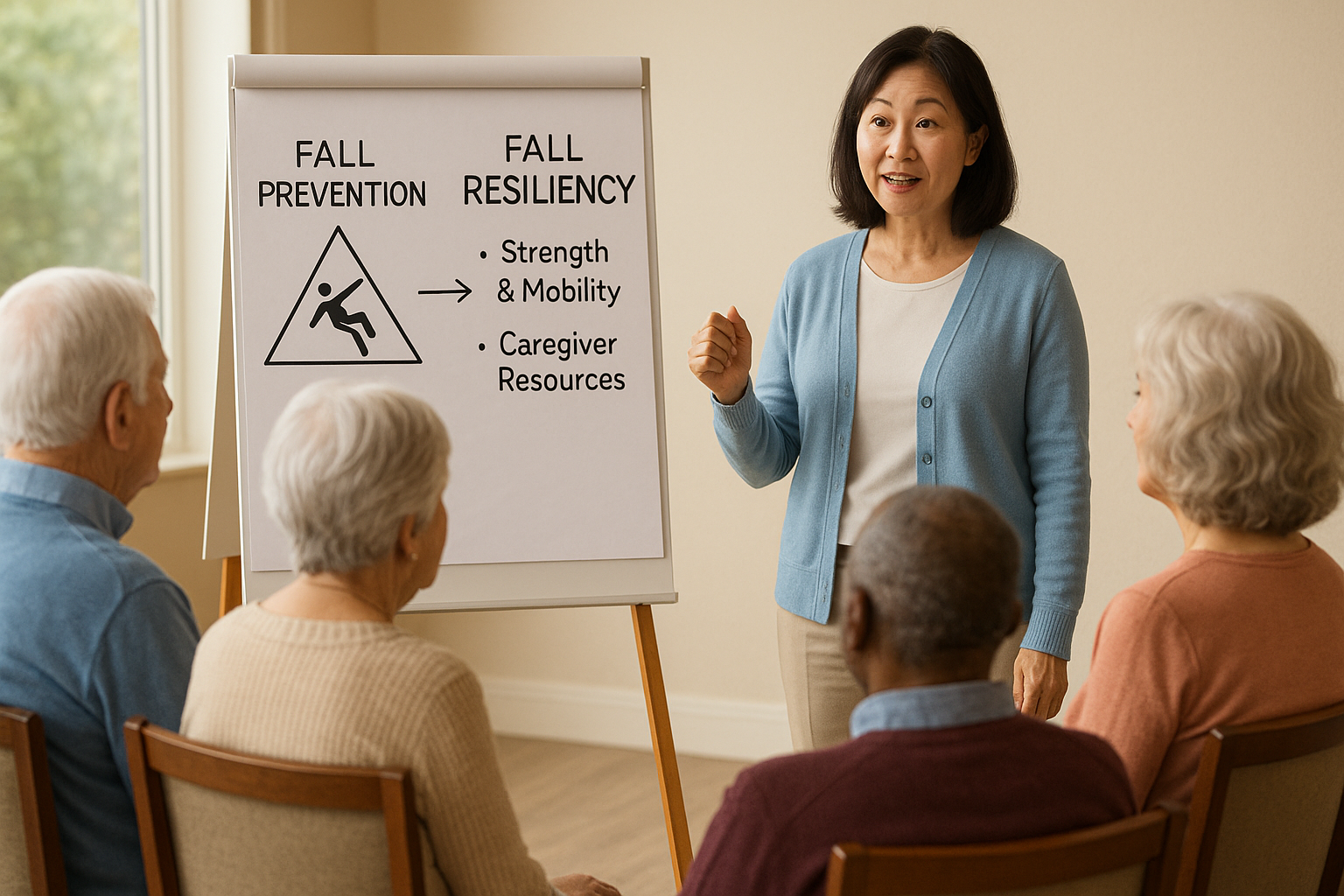
From Fall Prevention → to Fall Resiliency
This is why in 2026, I’m shifting my entire message at HomeStretch from “fall prevention” to “fall resiliency.”
Fall prevention often creates fear.
Fall resiliency builds capability.
Prevention says: “Avoid.”
Resiliency says: “Here’s how to handle it.”
Resiliency is about:
adaptability
confidence
reaction time
agility
strength
the belief that your body can learn, respond, and recover
And that belief matters because it changes behaviour.
And behaviour changes outcomes.
The Mindset Shift That Adds Years to Life
If older adults believe:
“I can improve.”
They challenge themselves.
“I can get stronger.”
They train consistently.
“Movement is for me.”
They participate, not withdraw.
“My age is not a limitation.”
They live more boldly.
This shift doesn’t just reduce falls.
It protects their identity, autonomy, social life, and overall health.
How Families & Caregivers Can Combat Ageism
Here are simple, powerful ways you can help an older adult in your life build a more resilient mindset:
1. Use empowering language
Replace “Be careful!” with:
“Take your time you can do this.”
2. Encourage participation, not passivity
Let them help, try, move, decide.
3. Avoid assumptions
Ask what they feel confident doing rather than assuming limitations.
4. Choose programs that challenge their true ability
Evidence-based training (like kinesiology) improves balance far more than passive or seated programs.
5. Celebrate strength, not age
Reinforce capability instead of fragility.
These small shifts compound just like ageism does.
A Community Rethinking Aging: AGEnts of Movement
The article that sparked this entire discussion came from the AGEnts of Movement group an incredible community led by Erin Eleuterio, focused on empowering older adults, rethinking what aging can look like, and challenging outdated beliefs.
If you want to learn more about:
movement for longevity
shifting the narrative around aging
empowering seniors instead of limiting them
building confidence and capability through action
…let me know. It’s truly one of the most forward-thinking spaces I’ve seen.
Final Thoughts
Ageism steals something precious not just years, but possibility.
And possibility is what keeps people moving, trying, learning, and living fully.
If you or someone you love wants to build resiliency, confidence, and mobility at home, you can reach out anytime for a complimentary consultation.
You don’t have to navigate aging alone and you deserve support that believes in your potential.
Frequently Asked Questions
-
Internalized ageism believing stereotypes like “I’m too old for that” or “slowing down is just normal” can actually reduce activity levels, confidence, and social participation. Research from the World Health Organization shows it can shorten life expectancy by up to 7.5 years, affecting strength, balance, mood, mobility, and fall risk.
-
Ageism can show up quietly in common situations, such as seated-only exercise programs, well-meaning but overprotective caregiving, discouraging language from healthcare providers, and constant “anti-aging” messaging. These send the message that older adults are fragile or limited even when they aren’t.
-
Fall prevention focuses on avoiding risk and often creates fear. Fall resiliency builds adaptability, strength, agility, and confidence skills that help seniors respond and recover. This mindset encourages movement, participation, and capability rather than caution and withdrawal.
-
Small daily choices make a big impact. Use empowering language (“You can do this”), encourage participation, avoid assumptions about limitations, choose exercise programs that build true ability, and celebrate strength not age. These actions reinforce confidence and independence.
-
Resiliency starts with belief: “I can improve.” Evidence-based exercise, consistent movement, and supportive coaching help seniors grow stronger and more capable. At HomeStretch, older adults can access in-home support, personalized exercises, and a complimentary consultation to get started.
Related Posts
The Future of Fall Prevention: Why Micro-Dosing Movement Builds True Resiliency
Fall Prevention Is a Billion-Dollar Lie That’s Failing Seniors
Author Bio - Melissa Gunstone, BSc, Kinesiologist
Founder of HomeStretch Ontario Helping Ontario seniors stay strong, safe, and independent — one step at a time.
The 3 Biggest Barriers to Aging in Place - Niagara - St. Catharines, Hamilton, Dundas, Burlington, Toronto - Fall Prevention | Strength & Mobility | Caregiver Resources