Spring Safety Tips for Seniors Safe Outdoor Activities and Fall Prevention
April 20, 2026
On this page
⚡ Quick Answer
- A sedentary winter leaves muscles and balance underprepared for spring's uneven, wet terrain.
- Rebuild strength and balance indoors first, then start with short outdoor sessions on flat paths.
- Single-leg stands, heel-to-toe walking, and Tai Chi are simple ways to prepare before heading outside.
- Proper footwear and ergonomic garden tools reduce strain and slipping risk once you're out there.
As winter fades and warmer days return many older adults look forward to spending more time outdoors.
Whether it is walking in the neighborhood gardening or simply enjoying fresh air spring brings new energy and opportunities to move.
However this seasonal transition also comes with increased risks especially for falls. After months of reduced activity seniors may experience stiffness reduced balance and lower strength which can make outdoor movement more challenging.
At Home Stretch we see this every year. The move from indoor routines to outdoor activity is one of the most critical times to focus on fall prevention mobility and confidence building.
This guide will help seniors and caregivers understand the risks and take simple steps to safely enjoy spring activities.
Why Spring Can Increase Fall Risk for Seniors
The transition from winter to spring changes both the environment and the body.
Outdoor conditions become less predictable. Melting snow wet surfaces and uneven ground can create slipping hazards. At the same time the body may not be fully prepared for movement after a more sedentary winter season.
Common spring risks include
Slippery sidewalks from rain or leftover ice
Uneven pathways and garden surfaces
Reduced muscle strength and balance
Vision challenges due to glare from sunlight
Canadian data shows that about 30 percent of older adults experience a fall each year and risks tend to increase during seasonal transitions.
How to Safely Transition from Indoors to Outdoors
The key is not to rush the process. Gradual progression helps the body adapt and reduces injury risk.
1. Start with Short Outdoor Sessions
Begin with short walks or light outdoor tasks. This allows the body to adjust to uneven surfaces and different conditions.
2. Rebuild Strength and Balance First
Before increasing activity levels focus on simple exercises that support stability and coordination.
3. Choose Safe Walking Areas
Stick to flat well maintained paths such as parks or community centers before moving to more challenging environments.
4. Wear Proper Footwear
Shoes with good grip and support are essential for preventing slips on wet or uneven ground.
Simple Balance Exercises to Prepare for Spring Activities
Improving balance is one of the most effective ways to reduce fall risk outdoors.
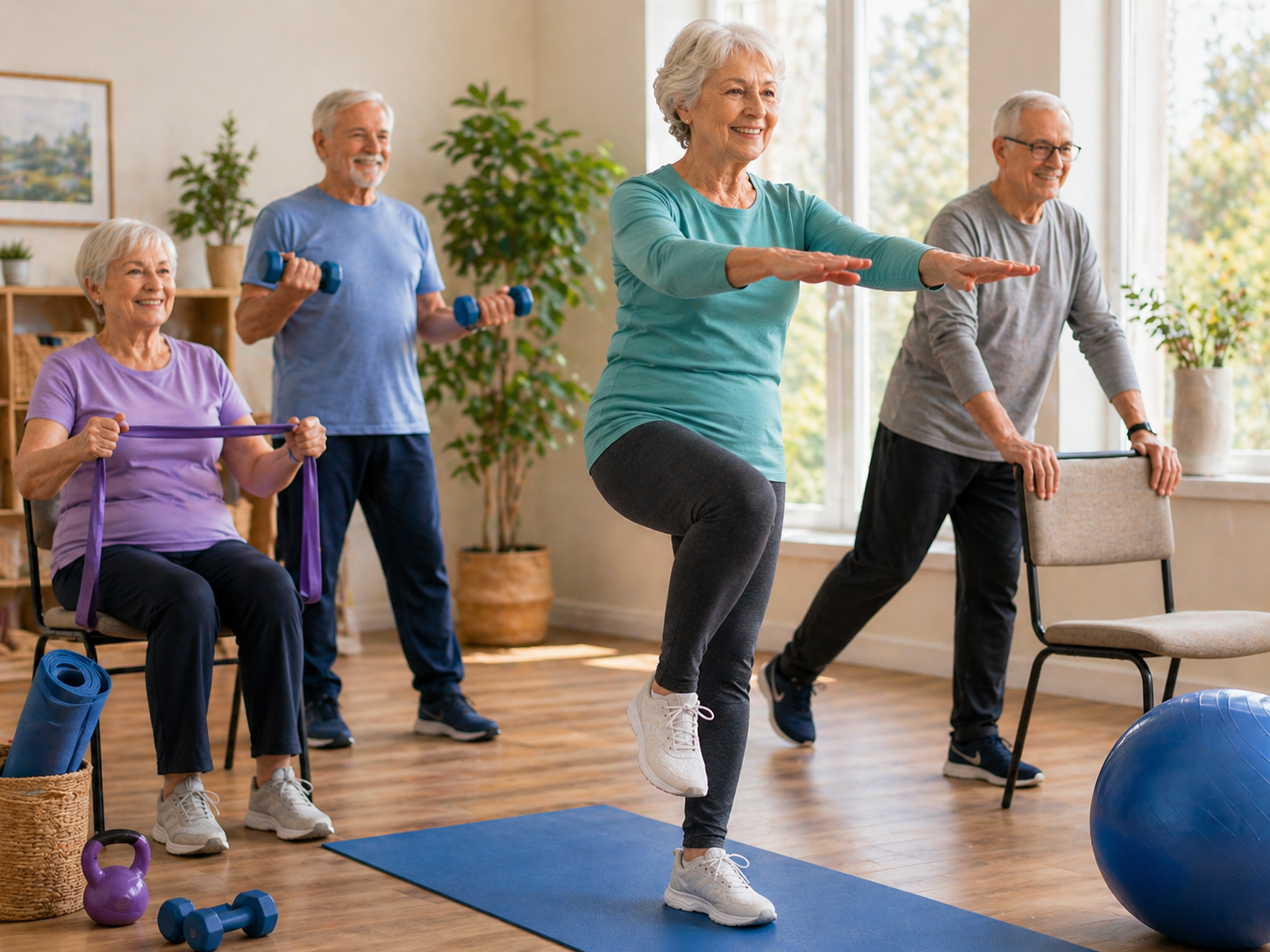
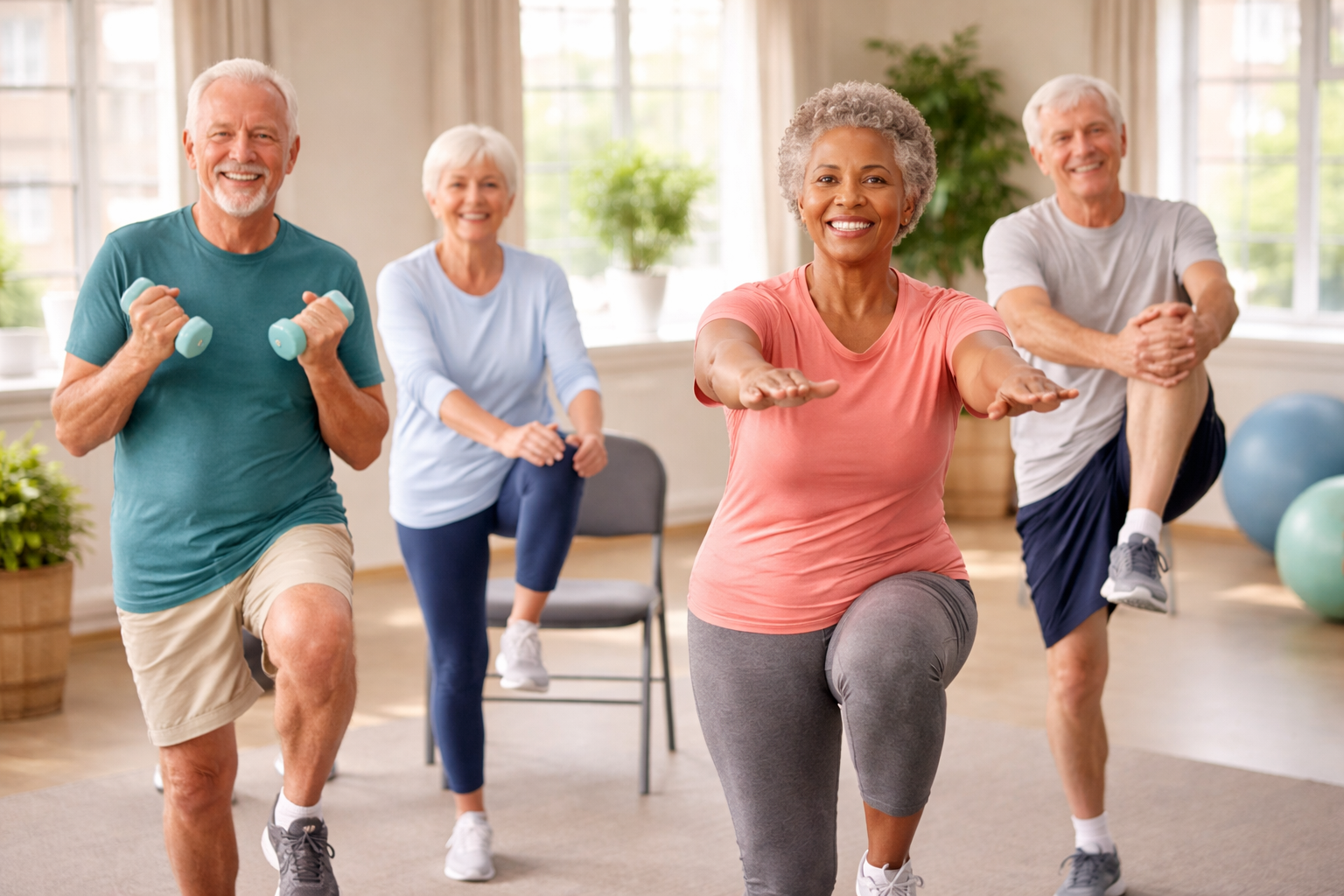
Try these simple exercises at home before heading outside
Single leg stand helps improve stability and coordination
Heel to toe walk strengthens walking control and posture
Tai Chi movements support flexibility and body awareness
Practicing these regularly can help seniors feel more confident when navigating outdoor environments. You can also check our Simple At-Home Balance Exercises for Seniors to Improve Stability and Reduce Fall Risk
Safe Gardening Tips for Seniors
Gardening is one of the most enjoyable spring activities but it also involves bending lifting and uneven surfaces.
To garden safely
Use ergonomic tools to reduce strain
Take frequent breaks to avoid fatigue
Stay hydrated even in cooler weather
Wear supportive non slip footwear
Simple adjustments can make gardening both safe and enjoyable.
Outdoor Safety Tips to Prevent Falls
Before heading outdoors take a few moments to assess your surroundings.
Check for uneven ground or loose stones
Avoid wet or slippery areas when possible
Be mindful of lighting and glare
Move slowly and deliberately especially on new terrain
These small habits can significantly reduce the risk of falls.
Using Mobility Tools for Extra Stability
For some seniors extra support can make a big difference.
Mobility tools like those from Sturdey are designed to provide additional stability and confidence during outdoor activities.
Benefits include
Better balance on uneven surfaces
Increased confidence when walking outdoors
Lightweight and easy to use support
Choosing the right tool can help seniors stay active longer and with less fear of falling.
Why This Transition Matters for Long Term Independence
Spring is more than just a season change. It is an opportunity to rebuild strength restore confidence and reconnect with daily life.
As Melissa Gunstone founder of Home Stretch explains the goal is not just recovery but helping seniors go beyond baseline and maintain independence through movement and support.
With the right approach seniors can safely return to the activities they love while reducing the risk of injury.
Frequently Asked Questions
-
Spring often follows a period of inactivity during winter, leading to reduced strength and balance. When activity suddenly increases, the body may not be prepared, increasing fall risk.
-
Safe options include walking, light gardening, stretching, and group activities on flat, stable surfaces.
-
Simple exercises like standing on one foot, heel-to-toe walking, and chair exercises can significantly improve balance and stability.
-
Start with 2–3 times per week and gradually increase frequency as strength and confidence improve.
Related Posts
Better Sleep for Older Adults, Practical Strategies for Restful Nights
Kinesiology for Seniors: In-Home Personal Training, Rehabilitation & Fall Prevention in Toronto
In-Home Personal Training for Seniors in Toronto: Why Local Kinesiology Matters
Author Bio - Melissa Gunstone, BSc, Kinesiologist
Melissa Gunstone is the founder of HomeStretch, a kinesiologist with years of experience supporting seniors across Canada. Her mission: to give older adults safe, effective, and individualized movement programs, from in-home training to community-based senior fitness classes and to build a nationwide movement that elevates the role of kinesiology in healthy aging.